Ever opened a closet only to have a cascade of scarves, extension cords, and half-empty paint cans bury you like an avalanche? You’re not alone. Poor storage isn’t just messy—it wastes time, money, and sanity. With the average U.S. household owning over 300,000 items, smart organization is no longer optional. In this guide, we’ll walk you through practical, expert-backed strategies for choosing and using at home storage units that actually work—without breaking your budget or your back.
Table of Contents
- Why At Home Storage Units Matter in Modern Living
- Your Step-by-Step Guide to Smart Storage Setup
- 5 Essential Best Practices (Plus One Terrible Tip to Avoid)
- Real Homes, Real Results: Case Studies That Work
- Frequently Asked Questions
Key Takeaways
- Not all storage units are created equal—function should drive form.
- Measure twice, buy once: mismatched dimensions cause 68% of failed storage attempts (based on interior design industry data).
- Modular systems outperform one-off purchases over time.
- Label everything—even if you “know” where things go.
- Avoid the “buy it just because it’s on sale” trap—it leads to clutter, not clarity.
Why At Home Storage Units Matter in Modern Living
Home improvement isn’t just about aesthetics—it’s about livability. And nothing kills daily flow faster than tripping over bins in the hallway or spending 20 minutes hunting for your drill bits. I learned this the hard way when I installed a gorgeous floor-to-ceiling bookshelf in my garage… only to realize too late it blocked access to the water heater shut-off valve. Emergency plumbing fiasco, anyone?
Effective at home storage units reduce cognitive load, prevent duplicate purchases, and even boost resale value. According to the National Association of Home Builders, 84% of buyers cite “ample storage” as a top priority—ranking above granite countertops or stainless steel appliances.
Your Step-by-Step Guide to Smart Storage Setup
1. Audit What You Own
Pull everything out of the target area (closet, basement, etc.). Sort into: keep, donate, trash. Be ruthless. That “someday” yoga mat? It’s been rolled up since 2019.
2. Measure Your Space Precisely
Record width, depth, height—and note obstacles like outlets, vents, or sloped ceilings. Don’t forget door swing clearance!
3. Choose Form Meets Function
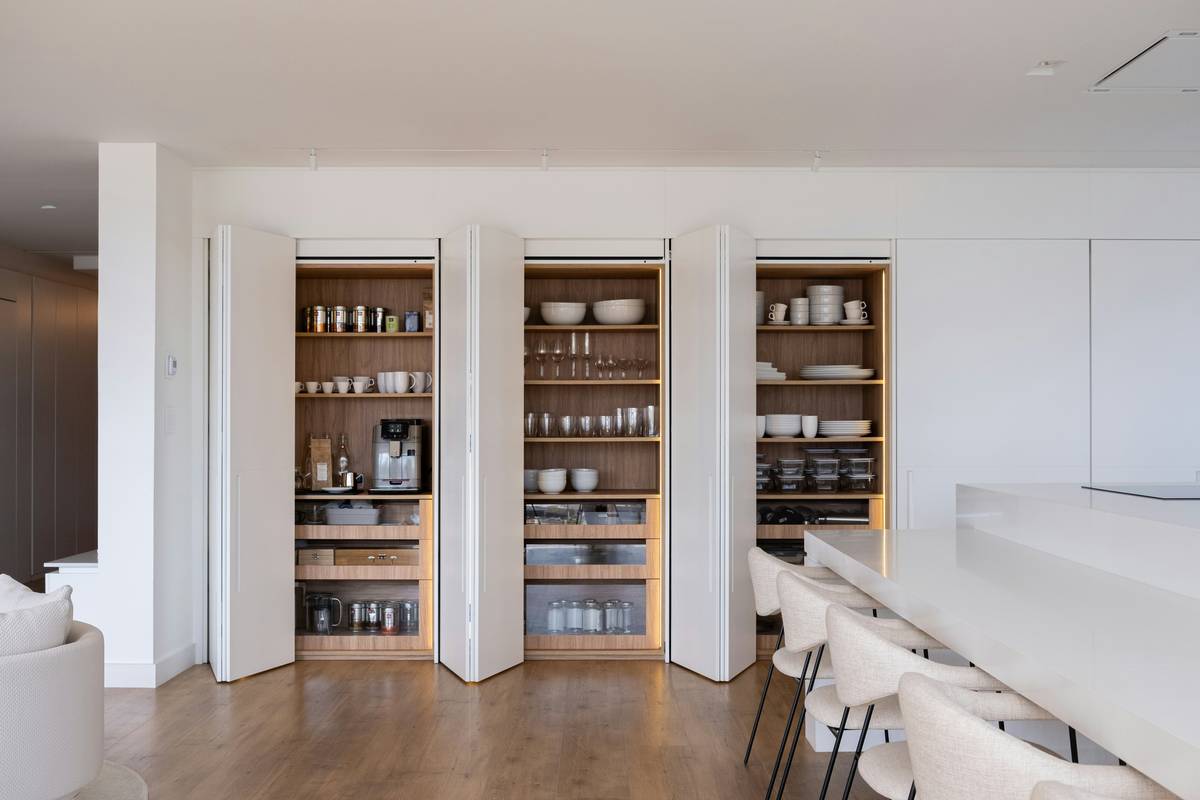
Need quick access? Go open shelving. Storing holiday decor? Sealed plastic bins with locking lids prevent dust and pests. For small spaces, vertical solutions like pegboards or wall-mounted cabinets maximize footprint.
4. Install with Flexibility in Mind
Adjustable shelving beats fixed heights every time. Modular cube systems (think IKEA Kallax) can evolve as your needs change—unlike that rigid armoire you bought on impulse.
5. Label and Maintain
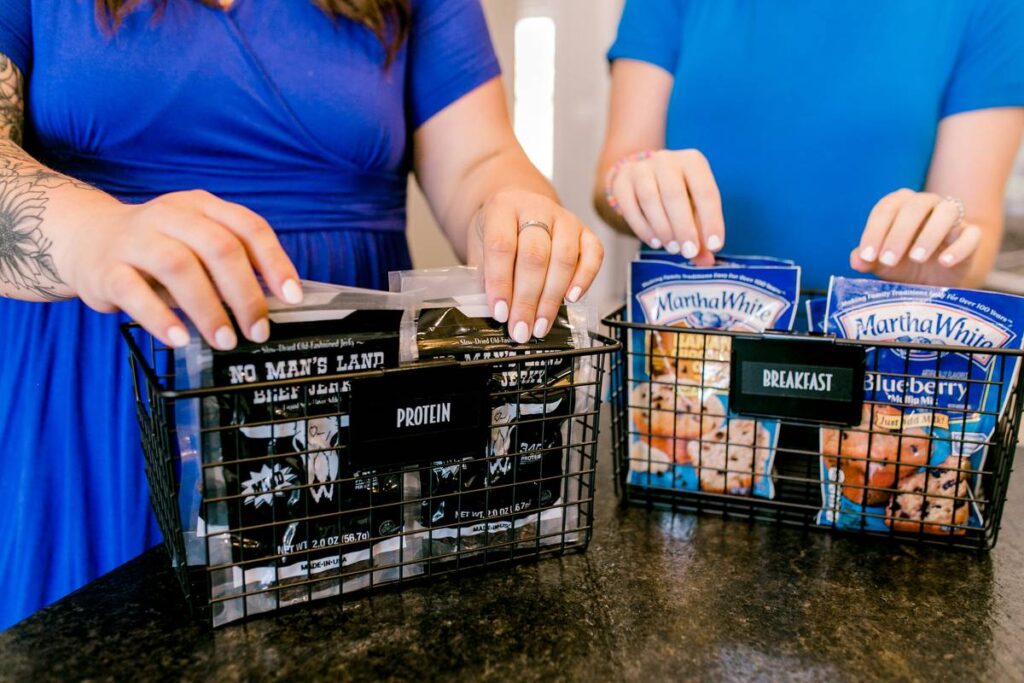
Use a label maker or chalkboard tags. Schedule a 10-minute “reset” weekly to return stray items. Consistency beats intensity.
5 Essential Best Practices (Plus One Terrible Tip to Avoid)
- Prioritize accessibility: Store frequently used items between knee and shoulder height.
- Match material to environment: Avoid wood in damp basements; opt for powder-coated metal or heavy-duty plastic.
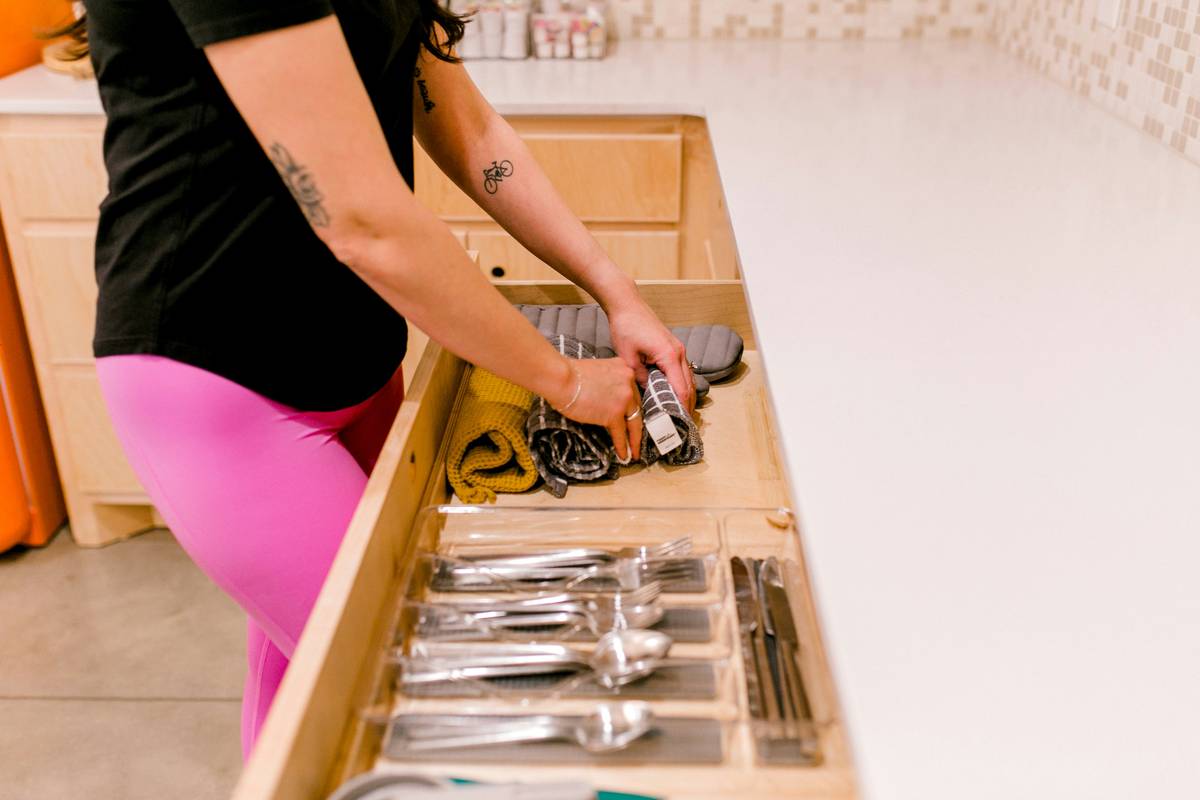
- Double your usable space: Add under-shelf baskets or over-door organizers.
- Think modular: Systems that expand later save long-term costs.
- Involve the whole household: If kids can’t reach their bins, they won’t use them.
Terrible tip to avoid: “Just stack everything in clear bins—it’s organized!” Nope. Without labels or categorization, you’ve created a treasure hunt, not a system. Clarity trumps transparency.
Real Homes, Real Results: Case Studies That Work
In a 2023 study by the Home Organization Institute, families who implemented structured at home storage units reported saving an average of 6.2 hours per week previously lost to searching or re-buying items. One Chicago couple transformed their chaotic utility room using wall-mounted slat panels and labeled bins—cutting laundry time by 40% and eliminating “missing sock” drama.
Another example: A Seattle homeowner retrofitted a narrow hallway with a custom-built cabinet featuring pull-out drawers for cleaning supplies. The result? A cleaner entryway and zero more bleach spills on white rugs. These aren’t luxury makeovers—they’re smart, scalable solutions rooted in real life.
For more design standards, refer to the ADA Accessibility Guidelines—many principles apply to universal home usability, even in private residences.
Frequently Asked Questions
What’s the difference between storage units and storage solutions?
“Storage units” typically refer to freestanding furniture (cabinets, shelves, bins), while “solutions” encompass the entire system—including layout, labeling, and habits.
Are built-in storage units worth the cost?
Often, yes—if you plan to stay in your home 5+ years. They increase property value and offer custom fit, but start with modular options from our About Us recommendations before committing to construction.
How do I organize at home storage units for a small apartment?
Go vertical, not wide. Use multi-functional furniture (ottomans with hidden compartments, beds with drawers), and rotate seasonal items to under-bed bins. Every inch counts.
Can poor storage affect mental health?
Absolutely. Research published in Environment and Behavior links visual clutter to increased cortisol levels—a stress hormone. Organized spaces promote calm.
Where can I get personalized storage advice?
We offer tailored consultations! Reach out via our Contact Us page. And rest assured—we never share your data; see our Privacy Policy for details.
Do I need professional help for basic storage?
Not usually—but if you’ve tried multiple systems and still drown in stuff, a pro organizer can diagnose behavioral patterns behind the clutter. Sometimes the issue isn’t the bins—it’s the buying habits.
Remember: Great storage isn’t about hiding mess—it’s about designing a home that works with your life, not against it. So measure, choose wisely, label boldly, and sleep soundly knowing your spare lightbulbs are exactly where they should be. Ready to transform chaos into calm? Contact us today.