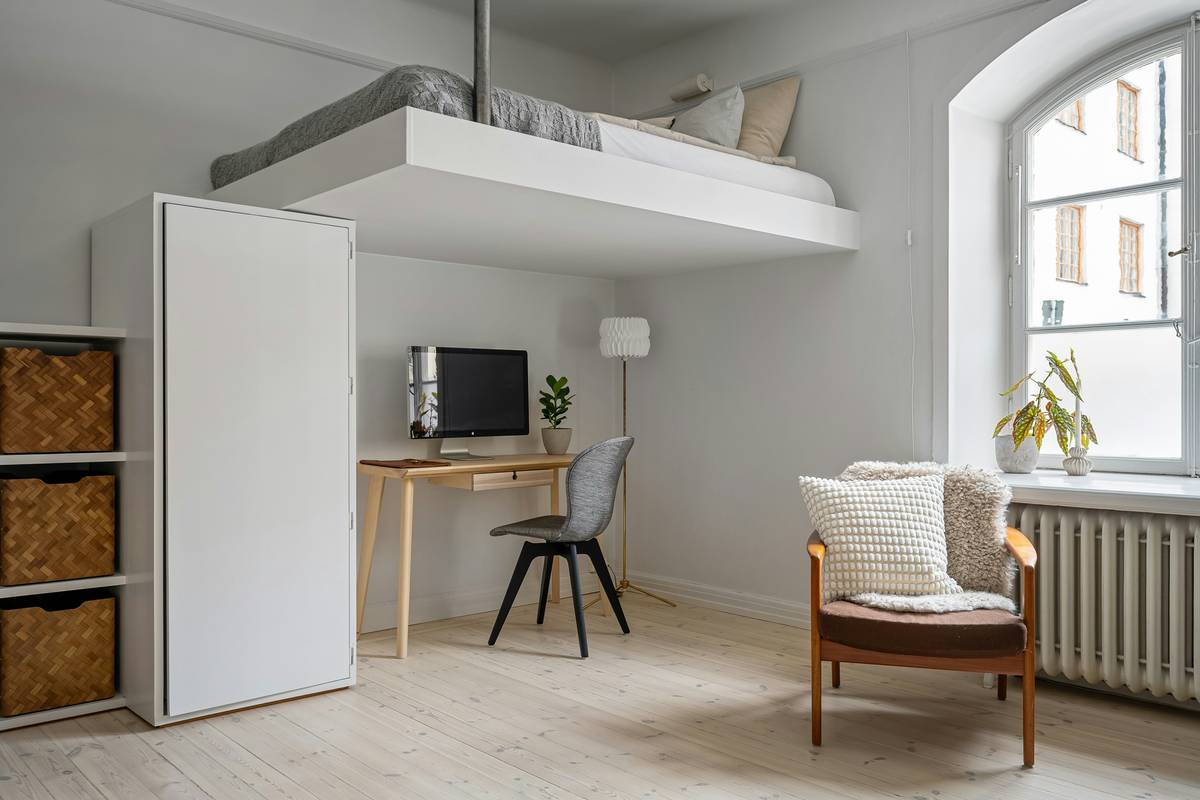
You’ve got stuff. Too much of it. Closets bulge. Hallways choke. That “spare room” vanished under boxes and bins. The frustration is real—and multiplying daily. But slapping together another shelf from the big-box store? That’s not a fix. It’s clutter camouflage. Real relief starts with understanding what a space solution storage unit actually is—and how to choose one that adapts, not just accumulates.
The Core Problem: Why Off-the-Shelf Storage Fails
Most “storage solutions” aren’t solutions at all. They’re generic containers dropped into uniquely messy human lives. You buy a tall cabinet because it looks sleek online—only to realize your ceiling slopes. Or you stack plastic bins labeled “Winter Clothes”—but they block access to the vacuum cleaner you need weekly. And don’t get me started on those modular cube systems. They look great in photos. In reality? They wobble, sag, and become dust traps within months.
The math is simple: if your storage doesn’t reflect how you actually live—your routines, your height, your habits—it becomes part of the problem. Not the answer.
Space Solution Storage Unit What Are – A Practical Breakdown
Forget vague definitions. Let’s get tactical. A true space solution storage unit solves three problems simultaneously: capacity, accessibility, and aesthetics. It fits your exact footprint, holds what you own (not what catalogs assume), and disappears visually—unless you want it seen.
Step 1: Audit Your Chaos
Before measuring walls, measure behavior. Track what you pull out daily vs. seasonally. Keep a notepad for 48 hours. Note pain points: “Can’t reach top shelf,” “Took 10 minutes to find phone charger.” This isn’t overkill—it’s data.
Step 2: Match Units to Movement Patterns
Your storage should mirror your traffic flow. High-use items? At elbow height. Bulky seasonal gear? Tucked up high or down low—but never behind three other bins. Install pull-down rods for hanging coats if you’re under 5’6″. Add casters to media units if you rearrange furniture often. These tweaks cost little but change everything.
Step 3: Compare Real-World Options
Not all storage units perform equally. Here’s how common types stack up based on actual homeowner feedback—not marketing brochures:
| Type | Cost Range (USD) | Space Efficiency | Durability (Years) | Ideal For |
|---|---|---|---|---|
| Modular Wall Systems | $300–$1,200 | ★★★★☆ | 8–12 | Small apartments, home offices |
| Custom Built-In Cabinets | $1,500–$5,000+ | ★★★★★ | 15–25 | Permanent homes, awkward corners |
| Freestanding Multi-Drawer Units | $150–$600 | ★★★☆☆ | 5–8 | Renter-friendly flexibility |
| Overhead Ceiling-Mounted Racks | $80–$300 | ★★☆☆☆ | 3–7 | Garages, basements (high clearance only) |

The Industry Secret: Vertical Zoning Beats Square Footage
Here’s what retailers won’t tell you: your floor area is less important than your vertical zones. Most homes waste 5–7 feet of usable wall height above eye level. Install shallow (8–10 inch deep) closed cabinets from 7’ up to the ceiling—they store linens, luggage, or archives without crowding your sightlines. Pair them with open shelving at 4’–6’ for daily essentials. Below 3’? Use deep pull-out drawers for heavy items like cookware or tools.
This “zoning” approach—tailored to human ergonomics, not room dimensions—is how professional organizers create calm in tiny spaces. And it costs far less than knocking down walls.
FAQ
What makes a storage unit a ‘space solution’?
It’s custom-fit to your room’s dimensions AND your usage patterns—not just a box that holds stuff.
Can renters use real space solution storage units?
Yes. Freestanding modular systems with tension mounts or furniture-grade units on casters offer flexibility without lease violations.
Are space solution storage units expensive?
Not necessarily. Strategic DIY kits start under $200. The key is buying once—based on measured needs—not repeatedly patching gaps.