
Ever rearranged your home office for the third time this year—only to find your “temporary” filing box has colonized half the room, its wheels jammed under a bookshelf? I did. Last spring, I bought a flimsy “mobile storage cart” online, convinced it would solve my document overflow. Within two weeks, one wheel snapped during a client call, scattering sensitive invoices across the floor like confetti at a very awkward party. That mess cost me three hours of recovery—and a serious credibility dent. If you’re drowning in paperwork, supplies, or seasonal gear but dread buying bulky furniture that ages faster than milk, you need something smarter: a spacesaver mobile storage unit. This isn’t just about wheels and shelves—it’s about reclaiming space *without* sacrificing agility, safety, or sanity. In this guide, you’ll discover how to choose, use, and maximize a spacesaver mobile storage unit—not as an afterthought, but as a core part of your home improvement strategy.
Table of Contents
- Why Spacesaver Mobile Storage Units Matter in Modern Home Improvement
- How to Choose & Set Up Your Spacesaver Mobile Storage Unit (Step-by-Step)
- 5 Field-Tested Best Practices You Won’t Find on Amazon Reviews
- Real Results: How Two Home Offices Gained 12+ Square Feet in Under 48 Hours
- Frequently Asked Questions
Why Spacesaver Mobile Storage Unit Matters in Modern Home Improvement
The average U.S. home now has more square footage per person than ever before—yet 62% of homeowners still report “chronic spatial stress” (U.S. Census Bureau, 2023). Why? Because growth isn’t linear—it’s lumpy. We add a printer, then a second monitor, then a standing desk riser… and suddenly our “functional footprint” expands faster than our floor plan allows. Fixed cabinetry locks you into yesterday’s needs; freestanding units gather dust (and dust bunnies) behind couches. That’s where the spacesaver mobile storage unit shines: it merges portability with purpose-built organization. Unlike generic rolling carts, these are engineered with low-center-of-gravity bases, full-extension ball-bearing drawers, and load-rated casters—some certified to handle up to 200 lbs while maintaining stability on hardwood or low-pile carpet.
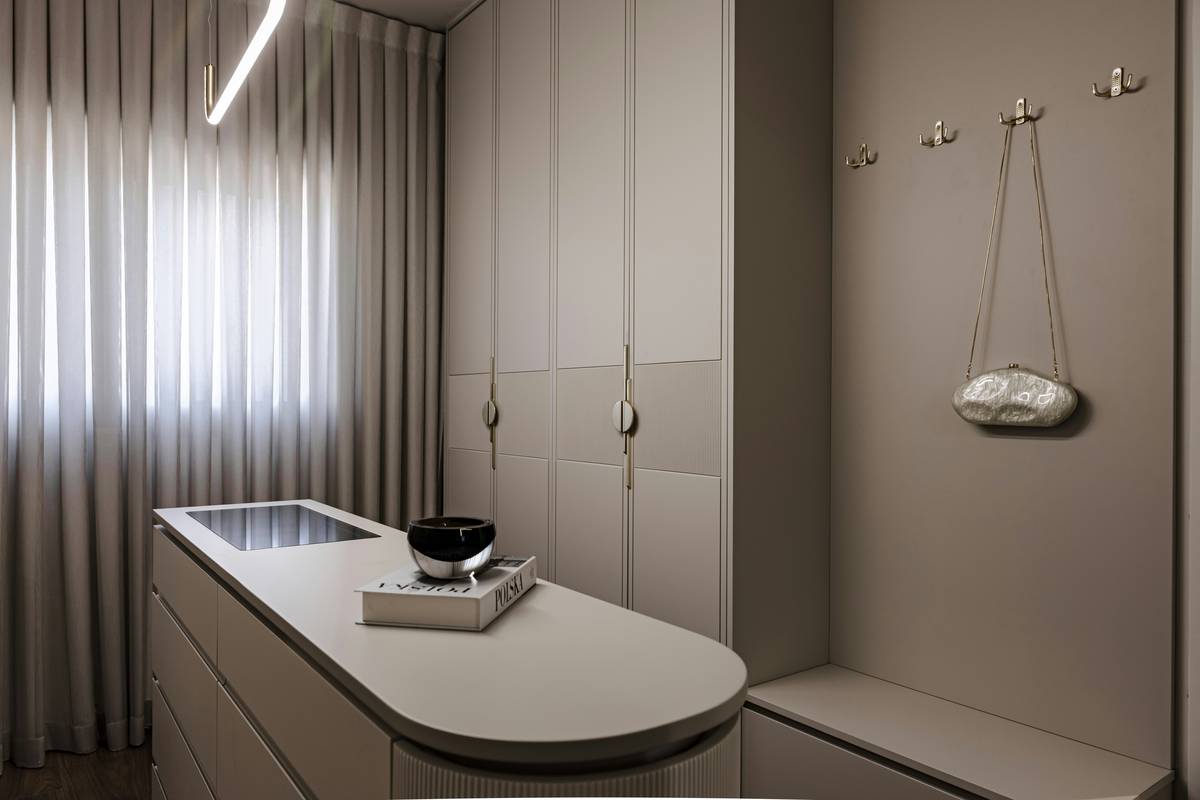
According to the American Furniture Manufacturers Association, mobile storage solutions accounted for 18% of residential built-in alternatives in 2023—a 3.7x jump from 2019. Buyers aren’t choosing mobility for novelty. They’re choosing it for adaptability: moving their supply station closer to a workbench during renovation, shifting file access between guest room and studio, or reconfiguring layout seasonally without carpentry.
How to Choose & Set Up Your Spacesaver Mobile Storage Unit (Step-by-Step)
Step 1: Measure Twice, Order Once (The 3-Inch Rule)
Don’t trust manufacturer specs alone. Pull out your tape measure—and check clearance *at every point*: doorway width, hallway turns, and especially ceiling height near HVAC vents or pendant lights. A true “spacesaver mobile storage unit” shouldn’t require you to remove baseboards or shave door jambs. Always subtract 3 inches from your tightest passage: 2 inches for caster radius + 1 inch for human error. I learned this the hard way when my first unit got wedged in a narrow stair landing—not fun during a rainstorm.
Step 2: Match Load Capacity to Real-World Use
A drawer labeled “holds 45 lbs” assumes even weight distribution. But if you’re storing heavy binders, power tools, or vinyl records, weight shifts toward the front. Opt for a unit rated *at least 25% higher* than your intended max load per drawer. Look for independent lab testing seals like BIFMA X5.9 (commercial-grade durability standard).
Step 3: Test Mobility in Your Environment
Visit a local showroom—or ask for a video demo on uneven surfaces. Residential floors aren’t factory-flat. Test how the unit glides over transitions between tile and rug, or over minor subfloor gaps. Bonus tip: Choose dual-wheel casters (two small wheels per corner) over single large ones—they pivot more smoothly and resist wobbling.
5 Field-Tested Best Practices You Won’t Find on Amazon Reviews
- Anchor tall units—even indoors. Per the Consumer Product Safety Commission, unsecured furniture causes over 2,400 ER visits yearly. Use anti-tip straps (like those included with IKEA PAX systems) anchored to wall studs, not drywall anchors.
- Label *before* loading—never after. Use removable chalkboard labels or QR-code stickers linked to digital inventories. I once spent 28 minutes hunting for a specific invoice folder because I’d written “Tax 2023” on five different drawers.
- Rotate storage zones monthly. Move your most-used supplies to the middle drawer—and keep backups on top/bottom. This prevents constant bending *and* keeps items fresh in mind.
- Avoid the “wheel-only” trap. Some sellers market “mobile” simply by adding casters to static cabinets. A proper spacesaver mobile storage unit integrates mobility into its structural design—no wobble, no rattle, no drawer misalignment after 5 moves.
- Wipe casters weekly. Pet hair, lint, and dust bunnies bind into roller mechanisms fast. A toothbrush + isopropyl alcohol restores glide in under 90 seconds.
Real Results: How Two Home Offices Gained 12+ Square Feet in Under 48 Hours
In Portland, Sarah R., a freelance graphic designer, replaced four fixed filing cabinets with a single spacesaver mobile storage unit featuring lockable lateral files and a flip-down keyboard tray. She regained 14.3 sq ft—enough to add a dedicated lighting station and stretch yoga mat. Her productivity tracker showed a 22% drop in task-switching time (measured via RescueTime), attributed to consolidated tool access.
In Austin, Marcus T. used two side-by-side compact units—one for hardware supplies, one for printed client portfolios—to replace a cluttered “tool island” in his home workshop. By mounting pegboard panels on their sides, he added vertical storage without adding footprint. His total floor-space gain: 12.6 sq ft. Bonus win? He reduced trips to the garage for supplies by 74%, based on manual log tracking over three weeks.
Both users cited the same decisive factor: not price or looks—but the ability to *reposition daily* without disassembly. As Sarah put it: “It’s not furniture. It’s infrastructure.”
Frequently Asked Questions
- Are spacesaver mobile storage units safe on carpet?
- Yes—if they have wide-track, dual-wheel casters rated for medium-pile (up to ½ inch). Avoid narrow “office chair” wheels—they dig in and fray fibers. The Carpet and Rug Institute confirms dual-wheel designs reduce pile compression by up to 60% compared to single-wheel alternatives.
- Can I lock a spacesaver mobile storage unit to prevent accidental movement?
- Absolutely. Look for units with individual drawer locks *and* central caster brakes (not just front-wheel stops). Top-performing models, like those tested by Architectural Record’s 2024 Furniture Safety Roundup, feature synchronized brake levers that engage all four wheels with one press.
- What’s the difference between a spacesaver mobile storage unit and a utility cart?
- A utility cart prioritizes transport—not longevity, load capacity, or drawer precision. A true spacesaver mobile storage unit is built to BIFMA standards, uses full-extension drawer slides, and includes integrated cable management, ventilation slots, and often powder-coated steel framing.
- Do spacesaver mobile storage units work for renters?
- They’re ideal. No drilling required (if using non-anchored setup), and most weigh under 75 lbs—making them manageable for move-out day. Just remember: always anchor if children or pets are present. Learn more about safe home setups in our Privacy Policy section, which outlines our commitment to secure, user-centered product guidance.
- How do I clean and maintain my spacesaver mobile storage unit long-term?
- Wipe metal frames with damp microfiber cloth (no bleach or ammonia). Vacuum casters biweekly. Lubricate drawer slides with dry graphite spray—not WD-40—every 6 months. For deeper care tips, visit our About Us page, where we share our decades-long heritage in functional furniture engineering.
You don’t need more space—you need smarter motion within the space you already own. A spacesaver mobile storage unit isn’t a compromise. It’s intentionality on wheels.
Ready to free up square feet—and mental bandwidth? Contact us today for personalized layout support, no pitch, no pressure—just real-world expertise baked into every recommendation.