You bought another bin. Again. It’s sitting in the garage—half-full, mostly forgotten. Clutter isn’t just mess; it’s mental drag. And off-the-shelf storage units for home use often make it worse by forcing you into rigid systems that don’t match how you actually live.
Why Most Storage Units Fail in Real Homes
Manufacturers design for aesthetics—not behavior. They assume you’ll alphabetize your spice jars or fold socks like a boutique hotel. Reality? You toss shoes by the door, dump mail on the counter, and shove holiday decor into whatever void exists. Generic units ignore flow, frequency of use, and human laziness—which is actually a feature, not a bug.
And most so-called “modular” systems lock you into proprietary parts. Swap one shelf? You’re buying three new connectors. The math is simple: convenience evaporates when restocking costs double your initial investment.
Building a Storage System That Works—Not Just Looks Good
Forget “maximizing every inch.” Aim for frictionless access instead. Here’s how to choose and deploy storage units for home use that adapt to your habits—not the other way around.
Map Your Traffic Zones First
High-traffic areas (entryways, kitchen counters) need open, shallow bins—anything deeper invites dumping. Low-use zones (linen closets, attics) can handle vertical stacking. Measure not just space—but speed of retrieval.
Prioritize Adjustability Over Capacity
A fixed 12-inch shelf looks tidy… until you buy a new blender. Look for systems with tool-free height adjustments. Metal pegboards with hooks beat closed cabinets for frequently grabbed items.
Match Material to Mess Potential
Plastic bins yellow. Particleboard swells. For kid zones or garages, go with powder-coated steel or marine-grade plywood. In bedrooms? Felt-lined trays soften noise—and guilt.
| Type | Best For | Avg. Cost (USD) | Lifespan | Failure Risk |
|---|---|---|---|---|
| Open Cube Shelves | Living rooms, kids’ toys | $80–$200 | 5–7 years | High (items topple, no dust protection) |
| Drawer Units (Wood/Metal) | Kitchens, offices, craft rooms | $150–$400 | 10+ years | Low (if tracks are full-extension) |
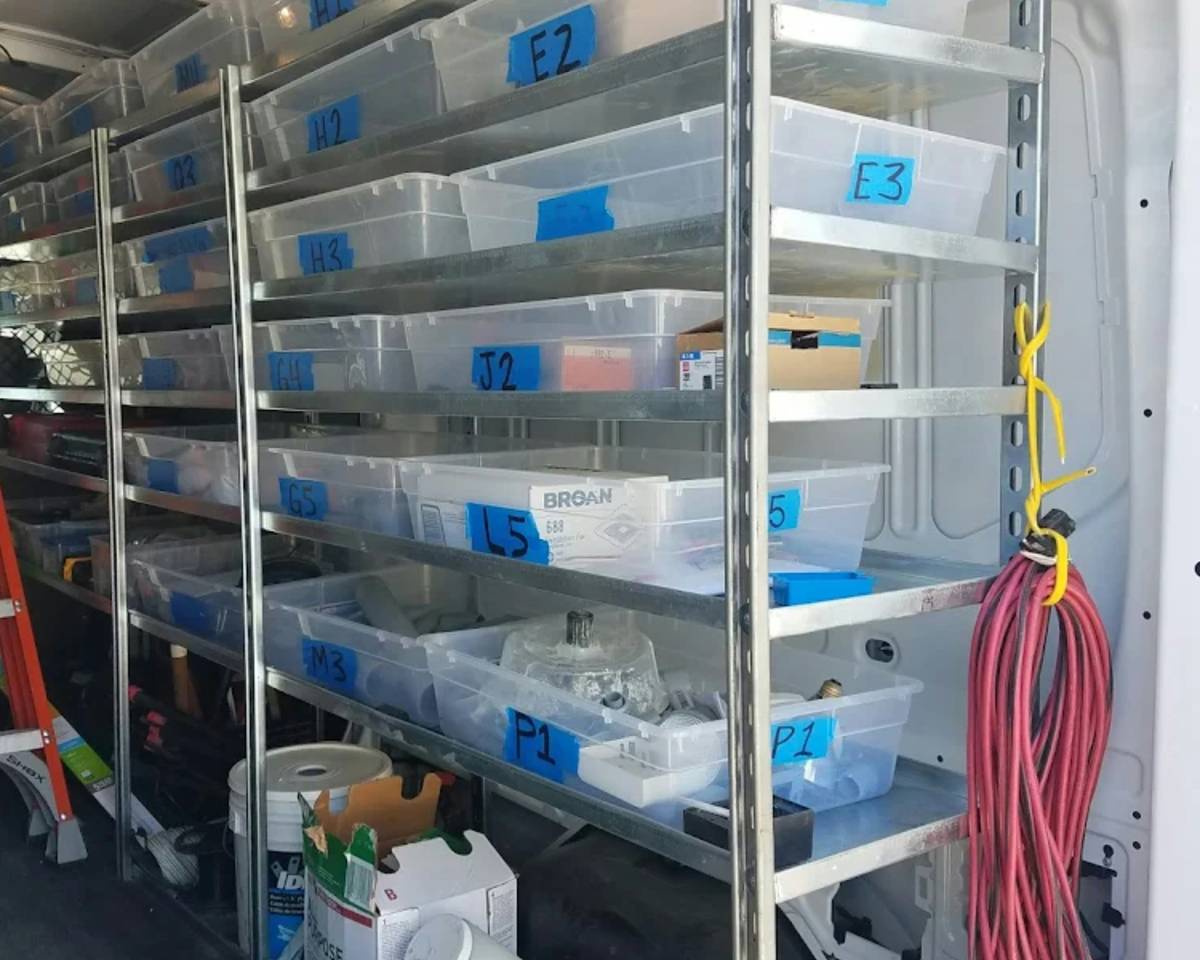
| Stackable Bins (Labeled) | Garages, attics, seasonal storage | $20–$60/set | 3–5 years | Medium (labels peel, lids warp) |
| Wall-Mounted Peg Systems | Workshops, mudrooms, pantries | $50–$120 | Indefinite | Very low (infinitely reconfigurable) |
The Industry Secret: Storage Isn’t About Containers—It’s About Thresholds
Here’s what no catalog tells you: clutter explodes when the effort to put something away exceeds 7 seconds. That’s the human tolerance threshold. If your system demands folding, labeling, *and* walking upstairs—you’ve already lost.
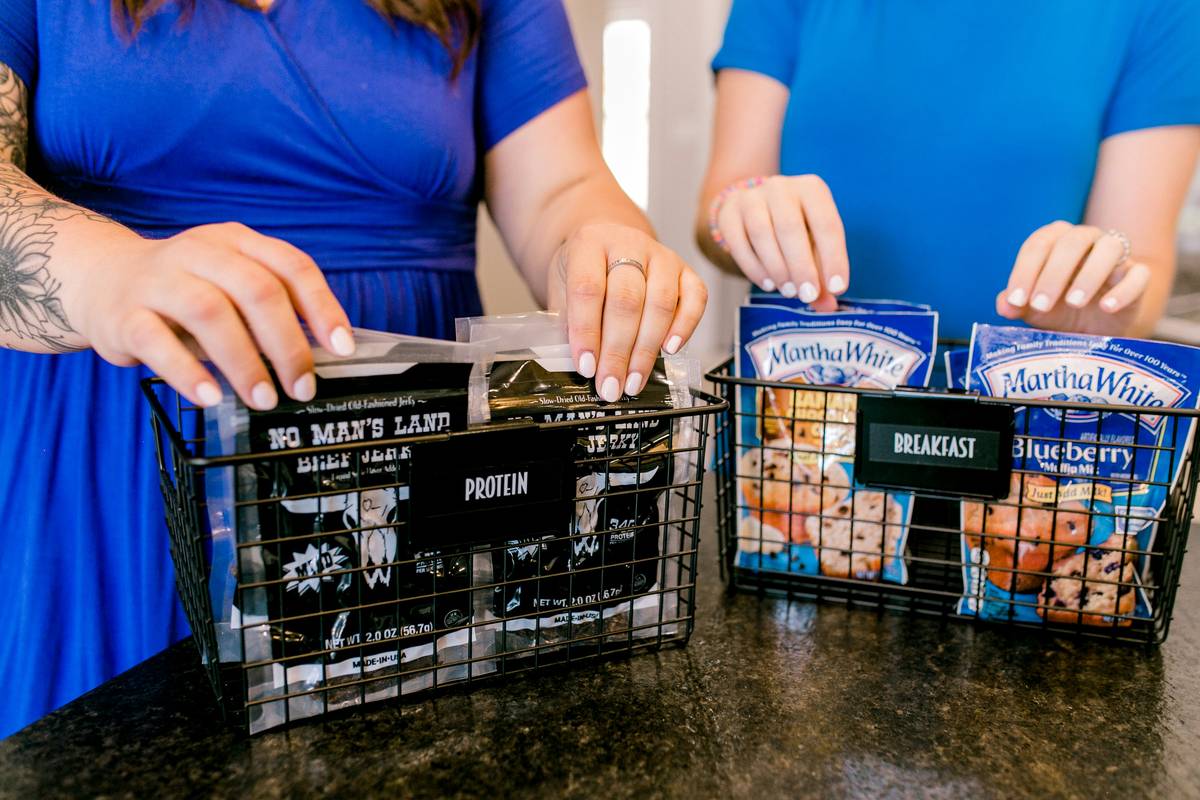
Better designers embed “drop zones” near decision points: a shallow tray under the coat hook for keys, a slide-out bin beneath the microwave for tea bags. These aren’t storage units—they’re behavioral nudges. One client cut her daily cleanup time by 68% just by relocating two baskets six inches closer to where she unloads groceries. No new purchases. Just physics meeting psychology.
Think about it: the best storage unit is the one you never notice using.
Frequently Asked Questions
What’s the most overlooked spot for adding storage units for home use?
Behind doors. Over-the-door racks in pantries, bathrooms, or closets add 3–5 sq ft of instant, out-of-sight storage—without drilling or remodeling.
Are built-in storage units worth the cost?
Only if your layout won’t change in 5 years. Modular freestanding systems offer 90% of the function at half the price—and can move with you.
How do I choose between open and closed storage?
Open = items used daily. Closed = anything dusty, ugly, or emotionally neutral (like tax files). Visual clutter taxes focus—even if it’s “organized.”