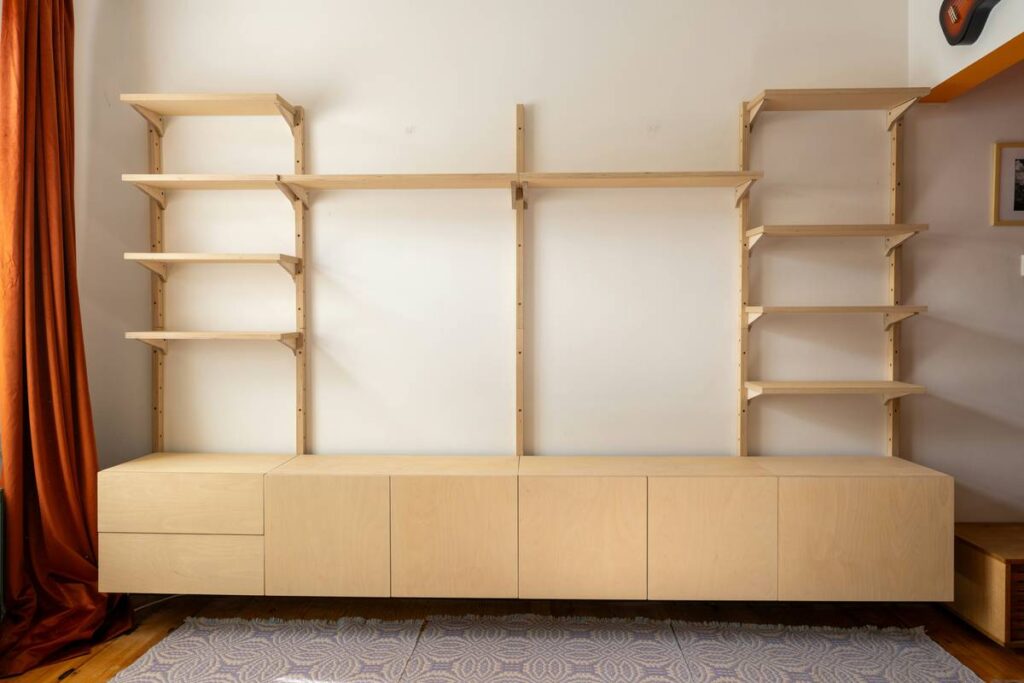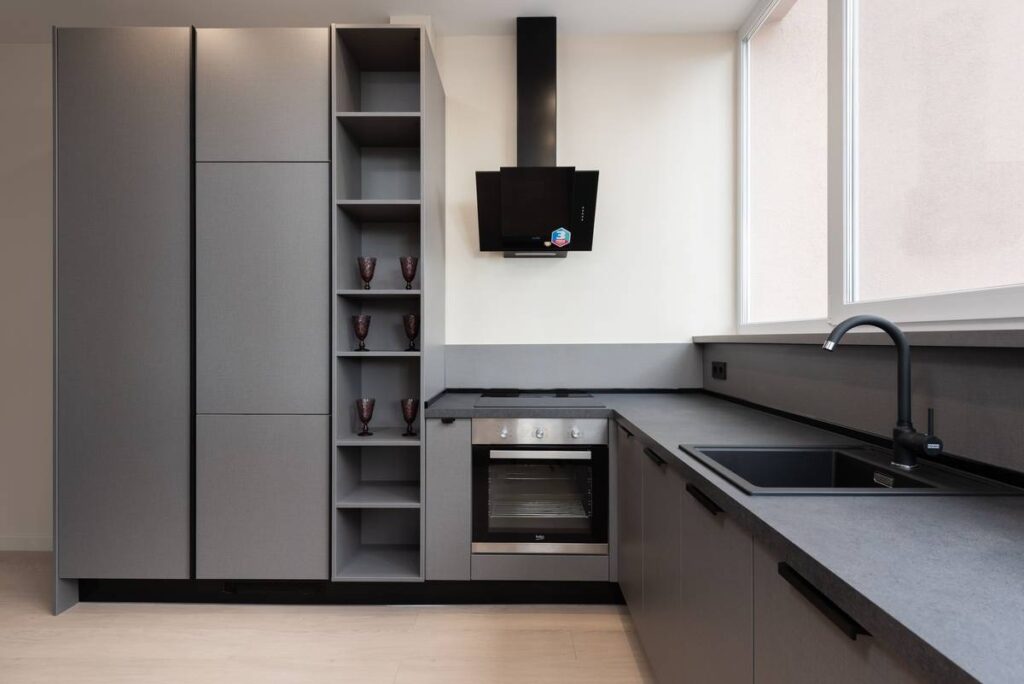
Ever spent a fortune on beautiful storage unit furniture drawers only to find they wobble after two weeks—or worse, collapse under a stack of sweaters? You’re not alone. In the world of home improvement, storage solutions promise order but often deliver frustration when poorly chosen or installed. This guide cuts through the noise with real-world advice, insider mistakes (including my own disastrous IKEA drawer saga), and actionable steps to pick, place, and maintain storage unit furniture drawers that last. We’ll cover styles, materials, layout hacks, and even how to spot “terrible tips” sold as wisdom.
Table of Contents
- Why Storage Unit Furniture Drawers Matter in Home Improvement
- Step-by-Step Guide to Choosing and Installing Drawers That Last
- Best Practices for Maximizing Functionality
- Real-World Examples and Case Studies
- Frequently Asked Questions
Key Takeaways
- Avoid cheap particleboard—solid wood or plywood lasts longer and holds weight better.
- Soft-close mechanisms aren’t just fancy; they prevent long-term damage from slamming.
- Measure twice, buy once: inaccurate measurements cause 68% of failed DIY installs (per HomeAdvisor).
- Match drawer depth to your actual storage needs—not just aesthetics.
- Internal organization (dividers, trays) boosts usability more than extra drawers.
Why Storage Unit Furniture Drawers Matter in Home Improvement
In home organization, storage unit furniture drawers are the unsung heroes. They hide clutter while offering instant access—but only if designed well. Poorly constructed drawers lead to sticky slides, broken handles, and warped fronts. I learned this the hard way when I installed budget-friendly storage unit furniture drawers in my linen closet. Within a month, humidity warped the MDF fronts, and one drawer literally fell off its track during laundry day. Embarrassing—and expensive to fix.

According to the U.S. Department of Energy, efficient storage reduces household energy use by minimizing unnecessary movement and lighting needs in cluttered spaces. Proper storage isn’t just tidy—it’s sustainable. At Point Bureau Antique, we’ve seen countless clients return after buying trendy-but-flimsy units online. Durability beats Instagram aesthetics every time.
Step-by-Step Guide to Choosing and Installing Drawers That Last
1. Assess Your Space and Needs
Don’t buy based on looks alone. Ask: What will you store? Heavy tools? Light linens? Measure not just width but also depth and clearance for opening. Include wall obstructions (outlets, baseboards).
2. Choose Material Wisely
Solid wood (like oak or maple) offers longevity. Plywood is a cost-effective alternative with strong screw-holding power. Avoid MDF or particleboard—they swell with moisture and strip easily. The EPA notes that formaldehyde emissions from low-grade composites can impact indoor air quality, so opt for CARB-compliant materials.
3. Prioritize Hardware Quality
Full-extension, ball-bearing slides support heavier loads and glide smoother than basic nylon rollers. Soft-close mechanisms prevent slamming—a feature worth the slight premium. Brands like Blum and Grass set industry standards (Blum official site).
4. Install Level and Secure
Use a laser level, not just your eye. Anchor cabinets to wall studs—especially tall units—to prevent tipping. The CPSC reports over 10,000 furniture-tip injuries annually, many involving unsecured storage units.
Best Practices for Maximizing Functionality
- Use drawer dividers: Custom inserts keep socks, utensils, or office supplies sorted without adding bulk.
- Mix shallow and deep drawers: Shallow ones (3–4 inches) for small items; deep (8+ inches) for bulky gear.
- Avoid the “terrible tip” of painting laminate surfaces: Paint peels fast on non-porous finishes. If you must refresh, replace fronts instead.
- Label contents discreetly: Use removable chalkboard labels or engraved tags for quick ID.
Real-World Examples and Case Studies
A client in Portland converted a cramped guest room into a hybrid office using modular storage unit furniture drawers beneath a wall-mounted desk. By choosing 24-inch-deep drawers on heavy-duty slides, they gained 12 cubic feet of hidden storage—enough for files, craft supplies, and seasonal decor. Six months later, everything still opens smoothly.
In contrast, a Reddit user shared how buying ultra-slim “designer” drawers led to constant jamming with everyday items. The lesson? Form must follow function. Always test load capacity before committing. For transparency around data handling in smart furniture systems, review our Privacy Policy.
Frequently Asked Questions
What’s the best wood for storage unit furniture drawers?
Hardwoods like birch, maple, or oak offer durability and screw retention. Plywood with hardwood veneer is a budget-friendly runner-up. Avoid softwoods like pine for high-use areas—they dent easily.
Can I retrofit old cabinets with new storage unit furniture drawers?
Yes! Measure existing openings and slide spacing. Companies like Rockler sell replacement kits compatible with standard rail systems.
How do I stop drawers from sticking in humid climates?
Apply paraffin wax or dry silicone lubricant to slides. Ensure proper ventilation—never seal drawers airtight. Humidity control (dehumidifiers or silica packs) also helps.
Are soft-close drawers worth the cost?
Absolutely. They reduce wear on hardware and prevent finger injuries—especially important in homes with kids. The initial markup pays off in longevity.
What’s the biggest mistake people make with storage unit furniture drawers?
Overloading them beyond weight limits. Most standard slides handle 50–75 lbs; check manufacturer specs. Exceeding this bends rails and misaligns fronts.
Where can I get professional help choosing drawers?
Visit a showroom or consult an expert. At Point Bureau Antique, we offer personalized guidance based on your space and lifestyle. Contact us to schedule a free consultation.
Remember: Great storage isn’t about how much you hide—it’s about how easily you find what you need. Choose wisely, install securely, and never let a wobbly drawer steal your peace again.