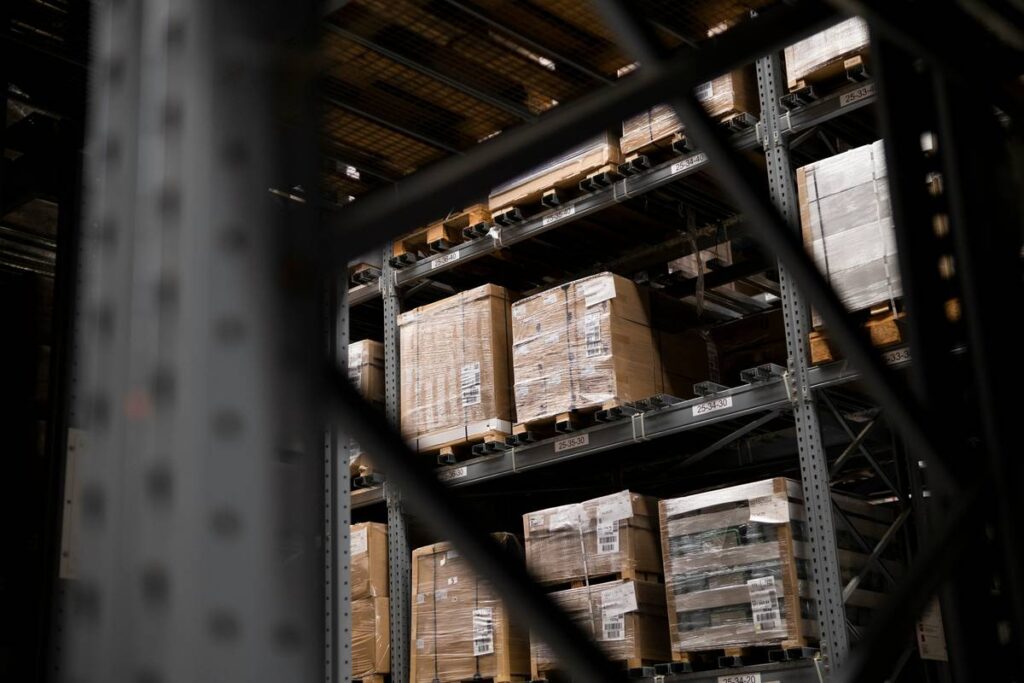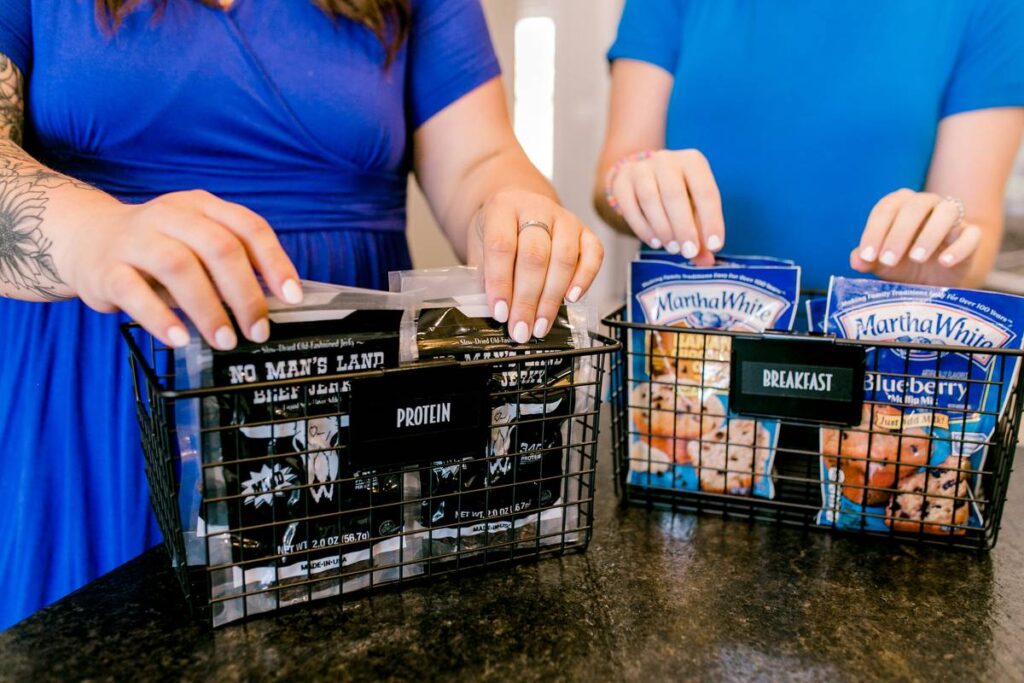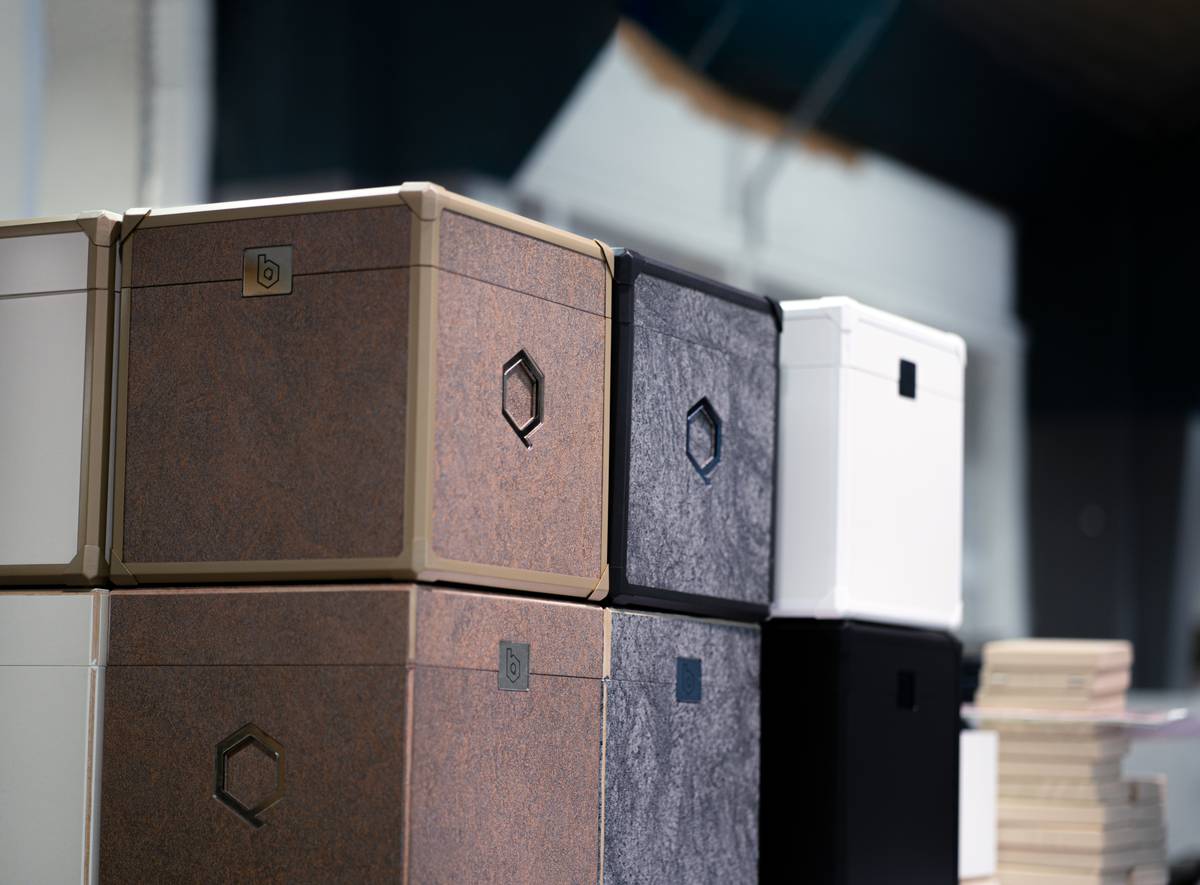
Ever opened a closet hoping to find your winter gloves, only to trigger an avalanche of mismatched Tupperware lids? You’re not alone. Poor storage choices waste time, stress relationships, and even shrink your usable square footage. That’s why nailing home organization storage unit how to isn’t just about tidiness—it’s about reclaiming sanity in your space. In this guide, you’ll get real-world strategies for choosing, placing, and maximizing storage units without falling into the common traps I’ve personally dug (and crawled out of). We’ll cover step-by-step setup, pro tips from industry standards, and examples that prove small changes yield big results.
Table of Contents
- Why Storage Units Make or Break Home Organization
- Step-by-Step: Building Your Storage System
- Top 5 Best Practices for Long-Term Success
- Real Homes, Real Results
- Frequently Asked Questions
Key Takeaways
- Measure twice—your space AND your stuff—before buying any storage unit.
- Vertical storage beats floor-hogging solutions in most urban homes.
- Label everything; unlabeled bins become “mystery tombs” within weeks.
- Avoid overbuying plastic bins—they often create more clutter than they solve.
- Customizable modular units offer better ROI than one-size-fits-all furniture.
Why Storage Units Make or Break Home Organization
I once bought a gorgeous cedar chest for my entryway, convinced it would elegantly hold scarves, dog leashes, and spare keys. Within a month, it became a black hole where mittens went to die. Why? I ignored three basics: accessibility, categorization, and frequency of use. According to the National Association of Productivity and Organizing Professionals (NAPO), 80% of clutter stems from poor storage design—not lack of space. That’s the core issue with home organization storage unit how to: people treat storage as an afterthought, not a system.
Step-by-Step: Building Your Storage System
1. Audit What You Own
Pull everything out of the target zone (closet, garage, pantry). Sort items into: Keep, Donate, Trash. Be ruthless. If you haven’t used it in 12 months, it’s likely dead weight.
2. Measure Your Space Accurately
Record height, width, depth—and note obstructions like pipes, outlets, or sloped ceilings. Don’t rely on memory. Use a metal tape measure, not your phone app. Precision prevents costly returns.
3. Match Storage Type to Item Frequency
Items used daily (keys, mail) need open-access spots. Seasonal gear (holiday decor, ski gear) can live in labeled, stackable bins high up. The U.S. Department of Energy recommends labeling opaque containers to reduce search time by up to 40% (source).
4. Choose Modular Over Monolithic
Fixed cabinets look sleek but rarely adapt. Opt for systems like cube organizers or rail-based shelving you can reconfigure as needs change.
5. Install and Test Immediately
Don’t “save assembly for later.” Set up your unit the same day you buy it. Test loading it with actual items to spot flaws early.
Top 5 Best Practices for Long-Term Success
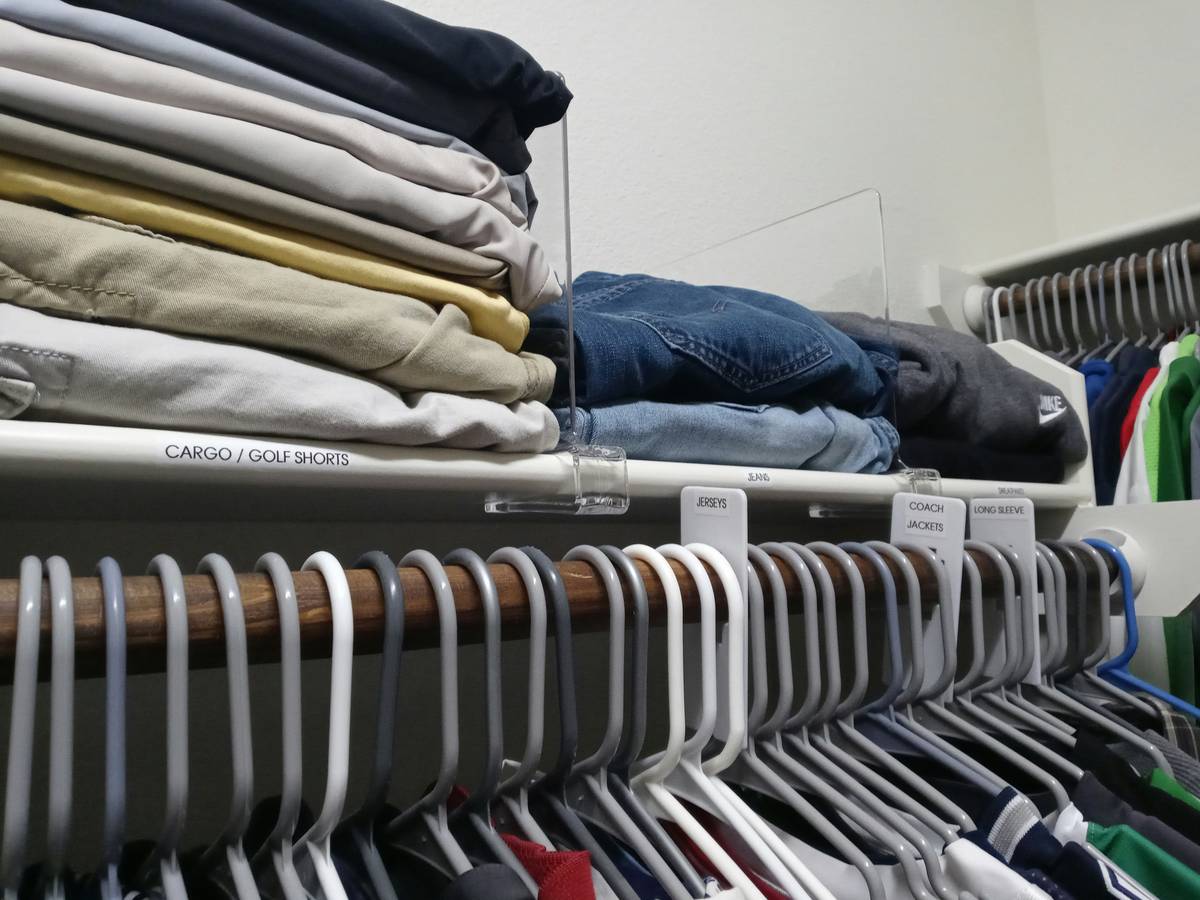
- Go vertical: Use wall-mounted racks or tall narrow units to free floor space—critical in apartments under 1,000 sq ft.
- Use uniform bins: Same-size clear containers stack cleanly and look intentional, not chaotic.
- Label with detail: “Office Supplies” is vague. “Printer Ink + Chargers” is actionable.
- Avoid the “terrible tip”: Never buy storage based on aesthetics alone (looking at you, wicker baskets). Form follows function.
- Maintain monthly: Schedule a 15-minute “reset” to prevent drift back into disarray.
Real Homes, Real Results
The Miller family in Portland reduced hallway chaos by installing a slim, 12-inch-deep storage unit near their front door. It holds shoes, pet gear, and school supplies—all visible and grab-and-go. They reported saving 11 minutes per weekday morning. Meanwhile, NYC renter Lena K. transformed her 6×8 closet using adjustable wire shelving from The Container Store. By grouping items into categories and labeling each bin, she gained space for 30% more clothing without expanding her footprint. Both cases prove that smart home organization storage unit how to delivers measurable time and stress savings.
Frequently Asked Questions
What’s the best material for home storage units?
For durability and moisture resistance, powder-coated steel or solid wood wins. Avoid particleboard in humid areas like basements—it swells and warps. Plastic bins are fine for dry, interior spaces if they’re BPA-free and stack securely.
How much should I spend on a storage unit?
Allocate 5–10% of your room’s total furnishing budget. A $200 investment in a quality closet system can outperform $500 worth of mismatched discount bins.
Can I build my own storage unit?
Yes—if you have basic carpentry skills. IKEA hack communities offer free plans using affordable components. Just ensure load-bearing parts meet safety standards; never compromise structural integrity.
Where should I avoid placing storage units?
Never block HVAC vents, electrical panels, or egress paths. The International Residential Code (IRC) requires 36 inches of clearance in front of breaker boxes (ICC Standards).
Is renting a storage unit ever better than buying home storage?
Only for true overflow: estate cleanouts, major renovations, or seasonal inventory. For daily living, integrated home solutions always win on convenience and cost-per-use.
How often should I reorganize my storage?
Quarterly for high-traffic zones (kitchen, entry), annually for low-use areas (attic, guest closet). Life changes—so should your system.
Getting home organization storage unit how to right transforms frustration into flow. Remember: storage isn’t about hiding mess—it’s about creating intuitive systems that support how you actually live. Ready to design your custom solution? We’ve helped hundreds of homeowners optimize their spaces—contact us for a free consultation. And if you’re curious about our process, read more on our About Us page. (Don’t worry—we respect your data as outlined in our Privacy Policy.)
One last truth: the perfect storage unit doesn’t exist. But the right one—measured, labeled, and lived-in—makes every day easier. Now go rescue those gloves.