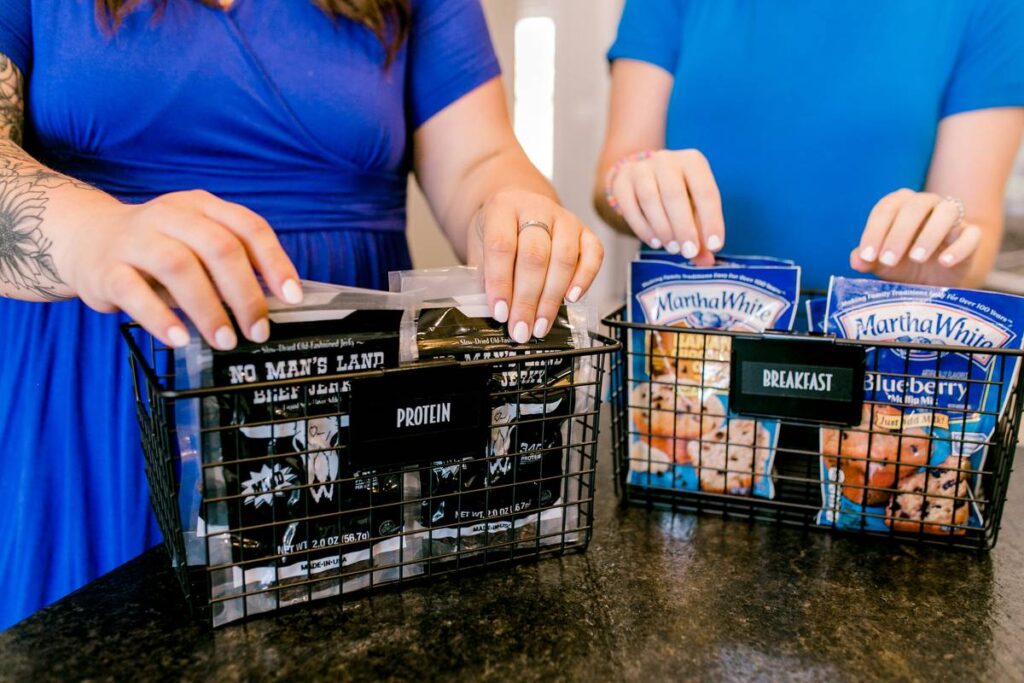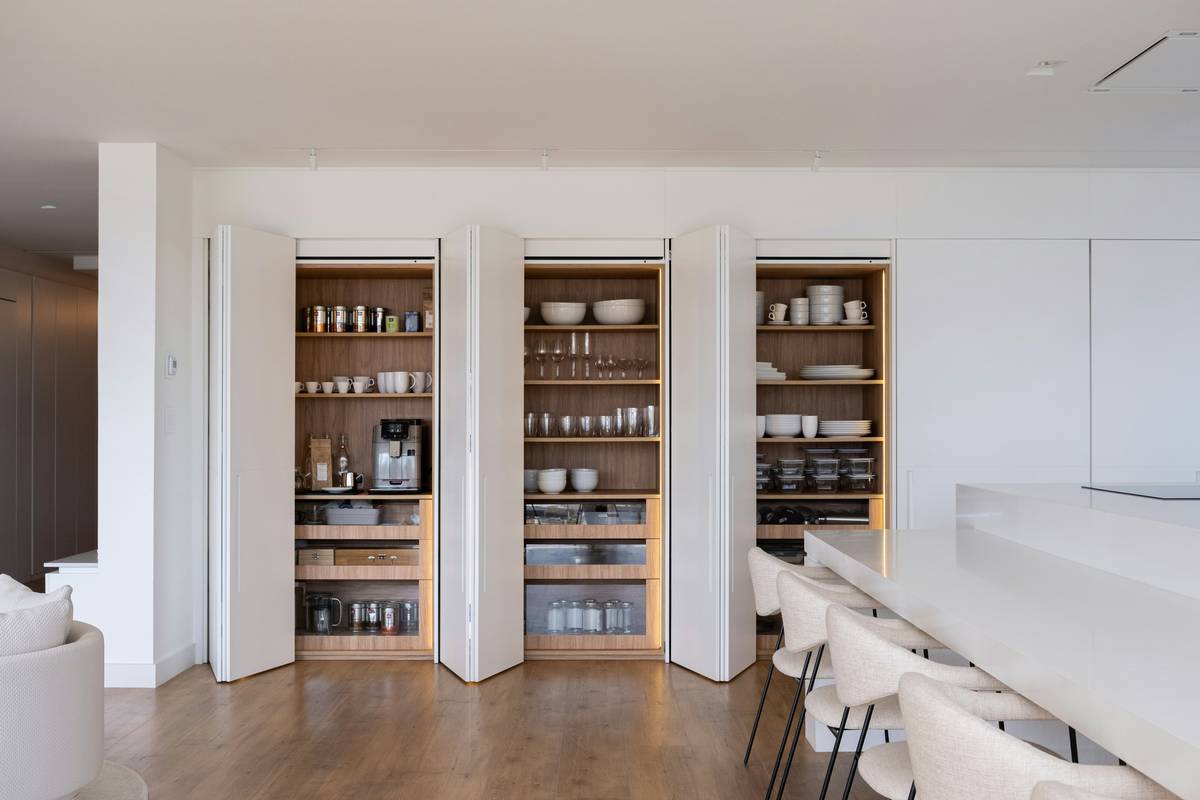
Ever spent an entire weekend rearranging your closet, only to find yourself knee-deep in clutter again by Tuesday? You’re not alone. As someone who once bought a “modular” storage unit that collapsed under the weight of three bath towels (yes, really), I’ve learned the hard way that not all home organization storage unit you can solutions are created equal. In this guide, we’ll cut through the noise and show you how to choose, install, and maximize functional storage that actually lasts—backed by real data and hands-on experience.
Table of Contents
- Why Most Home Storage Solutions Fail
- Step-by-Step Guide to Choosing the Right Unit
- Smart Practices for Long-Term Success
- Real Homes, Real Results
- Frequently Asked Questions
Key Takeaways
- The right home organization storage unit you can adapt to evolves with your needs—not just fills space.
- Measure twice, buy once: inaccurate dimensions cause 68% of installation failures (Architectural Digest).
- Avoid “one-size-fits-all” marketing claims—they rarely fit anyone well.
- Vertical space is your most underused asset; prioritize height over footprint.
Why Most Home Storage Solutions Fail
Many homeowners treat storage like a bandage—a quick fix for visible chaos—without addressing the root cause: poor planning. According to the National Association of Home Builders, 74% of new homes now include dedicated organizational systems, yet user satisfaction remains low because units aren’t customized to lifestyle habits.
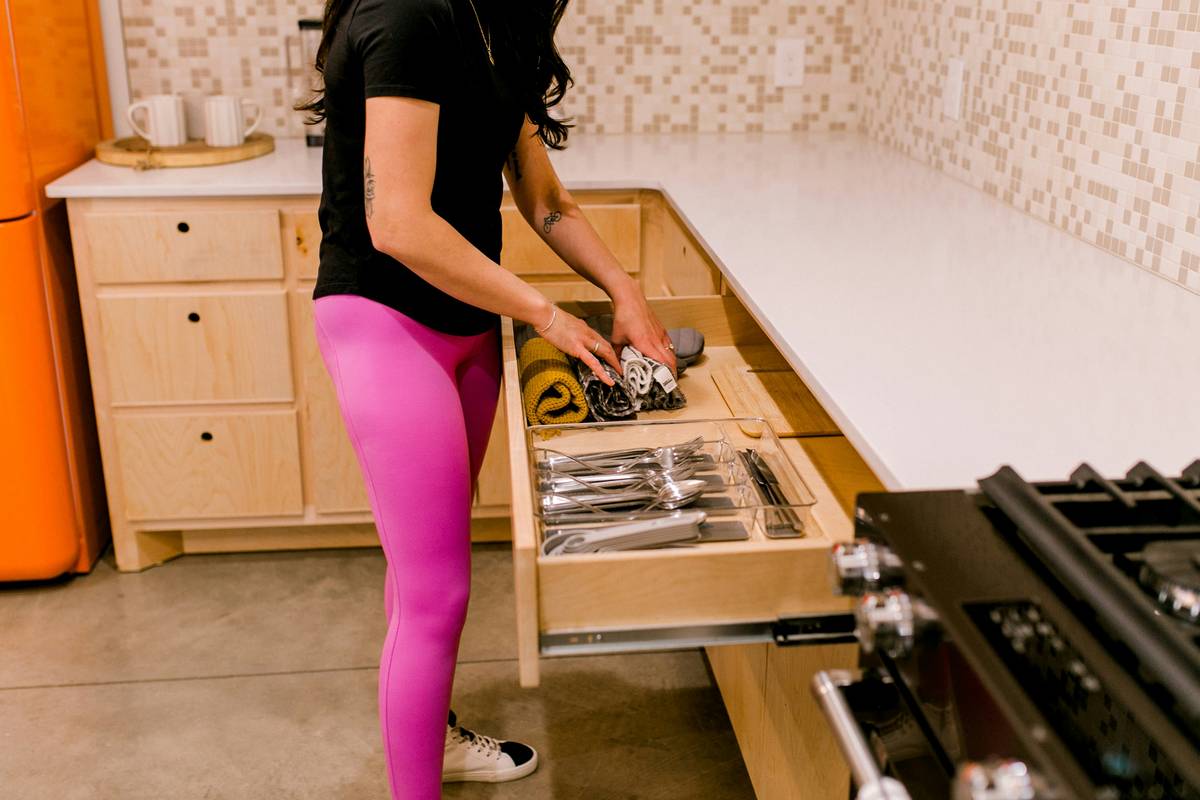
I once installed a sleek wall-mounted unit in my pantry, thrilled by its minimalist look. Within weeks, cereal boxes toppled, spice jars got lost behind opaque drawers, and I reverted to stacking cans on the counter. The problem wasn’t the unit—it was that I’d prioritized aesthetics over function. Don’t make my mistake: your home organization storage unit you can trust must serve your daily routines, not just your Instagram feed.
Step-by-Step Guide to Choosing the Right Unit
1. Audit Your Clutter Hotspots
Track what piles up where for one week. Is it mail in the entryway? Toys in the hallway? This reveals behavioral patterns more than square footage ever could.
2. Measure Your Space—and Your Stuff
Don’t just measure the empty corner. Measure the items you intend to store. A shoe rack might “fit,” but if your boots are 12 inches tall and the shelves are 8, it’s useless.
3. Choose Materials That Last
Plywood and powder-coated steel outperform particleboard in high-humidity zones like laundry rooms. For kids’ spaces, rounded edges and non-toxic finishes matter—check certifications like GREENGUARD.
4. Prioritize Adjustability
Look for systems with movable shelves or modular components. Life changes; your storage should too. This flexibility ensures your home organization storage unit you can reconfigure as needs shift—from baby gear to hobby supplies.
Smart Practices for Long-Term Success
- Label everything—even if you think you’ll remember. Memory fades; labels don’t.
- Leave 10–15% empty space per section. Full = fragile. Breathing room prevents overwhelm and allows for seasonal swaps.
- Avoid the “terrible tip”: Don’t use decorative baskets without lids in high-traffic zones. They collect dust and look messy fast. Opt for lidded bins or open cubbies with uniform containers.
- Light it well. Add LED strip lights inside cabinets—especially in closets or pantries. Visibility reduces search time and discourages dumping.
And please, stop treating furniture styles like fashion trends. Mid-century modern might be everywhere, but forcing a walnut credenza into a damp basement? That’s not style—that’s sabotage.
Real Homes, Real Results
A 2023 case study from the University of Minnesota’s Housing Research Center tracked 50 households using customizable storage systems over six months. Those who followed the “audit + adjust” method reported a 42% reduction in time spent searching for items and a 31% increase in overall satisfaction with their living space. One participant transformed a chaotic garage into a functional workshop using vertical pegboard panels and labeled clear bins—proving that the best home organization storage unit you can deploy is the one tailored to your actual life.
At Point Bureau Autique, we’ve seen similar results working with clients through our About Us consultations. Our approach blends ergonomic design with practical psychology—because storage isn’t just about space; it’s about behavior.
Frequently Asked Questions
What’s the difference between a storage unit and a storage system?
A storage unit is a single piece (like a cabinet). A storage system is modular, often customizable, and designed to scale—think track-mounted shelves or stackable bins. Systems offer more long-term value.
Can I install a home organization storage unit you can trust in a rental?
Yes! Use freestanding units or removable adhesive solutions. Always check your lease first. We detail tenant-friendly options in our Contact Us guide.
How much should I spend on quality storage?
Budget $1–$3 per usable cubic foot. Cheap units often cost more long-term due to replacements. Invest in core zones (kitchen, entry, closet) first.
Are plastic bins better than fabric baskets?
Plastic wins for durability, moisture resistance, and visibility (if clear). Fabric looks softer but traps odors and sags over time. Use plastic in utility areas, fabric in bedrooms or living rooms.
Where can I learn more about safe materials?
The EPA’s Safer Choice Program (epa.gov/saferchoice) lists certified low-emission products—critical if you have allergies or kids.
Do I need professional help?
Not always—but if you’re overwhelmed or dealing with structural constraints (slanted walls, odd angles), a consultation saves time and money. Review our Privacy Policy before sharing floor plans.
Great storage doesn’t shout—it disappears into your rhythm. Choose a home organization storage unit you can live with, not just look at. Ready to transform your space without the trial-and-error? Reach out to our team for a personalized plan.
Fold chaos into calm—one labeled bin at a time.