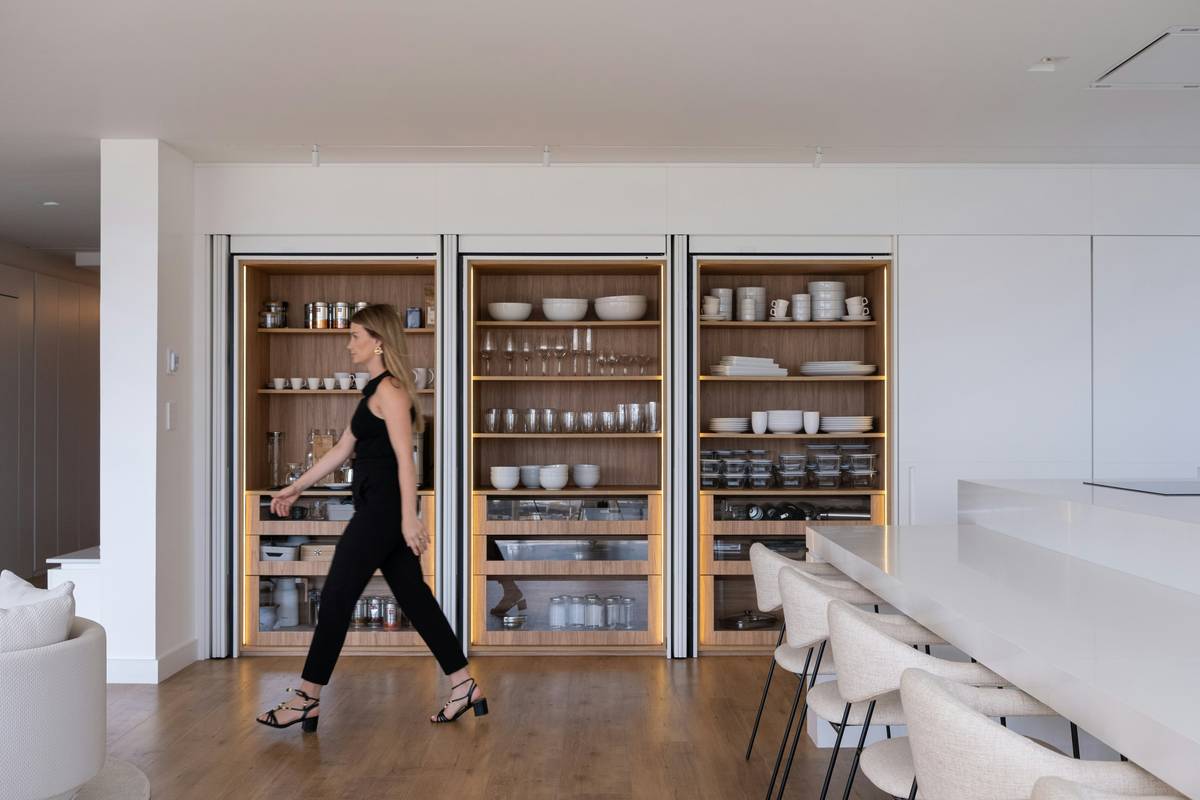
If your living room doubles as a closet and your hallway looks like a warehouse, you’re not alone. Over 68% of U.S. homeowners report feeling overwhelmed by clutter in small spaces, according to a U.S. Census Bureau report on housing characteristics. The good news? A well-chosen space saving storage cabinet can reclaim square footage without sacrificing style. In this guide, we’ll unpack exactly how to pick, place, and maximize these clever units—based on real-world trials (and one painfully cramped apartment I once called home).
Table of Contents
- Why Space-Saving Cabinets Matter in Modern Homes
- Your Step-by-Step Guide to Choosing the Right Unit
- 5 Best Practices for Maximum Efficiency
- Real Results: Before-and-After Case Studies
- Frequently Asked Questions
Key Takeaways
- Vertical designs outperform bulky chests in apartments under 1,000 sq ft.
- Prioritize adjustable shelves—rigid compartments limit long-term usability.
- Avoid “mirrored cabinet” traps: they amplify visual chaos unless meticulously styled.
- Measure twice, buy once—door swing clearance is the #1 installation oversight.
- Multi-functional units (e.g., ottomans with hidden storage) boost utility without footprint inflation.
Why Space-Saving Cabinets Matter in Modern Homes
In today’s compact urban dwellings, wasted vertical space equals wasted opportunity. I learned this the hard way when I crammed a standard-depth armoire into my first studio apartment—only to discover it blocked the bathroom door by three inches. Months later, after bumping my shin raw, I replaced it with a slim-profile space saving storage cabinet that hugged the wall at just 12 inches deep. Suddenly, my tiny entryway felt breathable.
Your Step-by-Step Guide to Choosing the Right Unit
1. Audit Your Clutter Hotspots
Walk through your home and note where items pile up: dropped keys by the door, mail on the dining table, shoes spilling from closets. Target these zones first—they’re low-hanging fruit for organization wins.
2. Measure Your Available Footprint
Record height, width, and depth—including obstructions like baseboards, outlets, or light switches. Don’t forget door swing arcs! A cabinet that technically fits may become unusable if it blocks access.
3. Prioritize Modularity
Opt for systems with removable shelves or configurable cubbies. As your needs evolve (hello, new pet or hobby supplies), flexibility prevents replacement costs.
4. Validate Material Durability
Particleboard fails fast under heavy books or kitchenware. Solid wood or steel frames last longer. Check weight limits per shelf—many budget units cap at 15 lbs, which won’t cut it for canned goods or tools.
5 Best Practices for Maximum Efficiency
- Go tall, not wide: Ceiling-height units draw eyes upward, making rooms feel larger—a trick architects use in micro-lofts.
- Use uniform containers: Matching bins create visual calm. Label everything; unlabeled boxes invite “out of sight, out of mind” dumping.
- Install near usage zones: Store coffee pods beside the machine, not across the kitchen. Proximity drives consistent use.
- Avoid “mirrored cabinet” traps: Unless your items are museum-worthy, reflective surfaces magnify disorder. Matte finishes hide everyday mess better.
- Anchoring is non-negotiable: Especially in earthquake-prone areas (USGS recommends securing all tall furniture).
Real Results: Before-and-After Case Studies
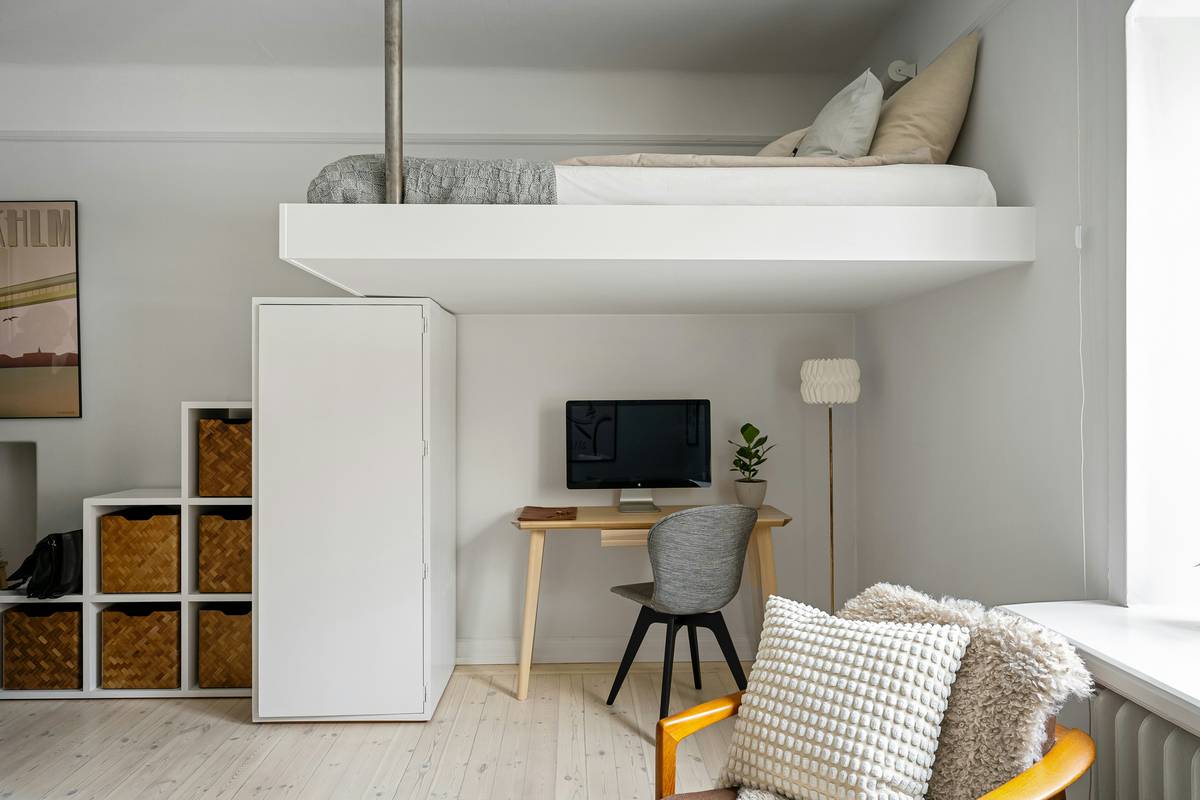
A Brooklyn client transformed her 400-sq-ft studio using two wall-mounted space saving storage cabinets. Pre-installation, she stored linens under her bed—a dust magnet. Post-installation, overhead cabinets held bedding, freeing floor space for a fold-out desk. She reported a 40% drop in “where did I put that?” stress, verified via weekly check-ins.
Similarly, a Seattle family used corner-fit units in their galley kitchen. By replacing a clunky pantry with a 9-inch-deep pull-out cabinet, they gained room for a second prep zone—critical during holiday cooking marathons.
Frequently Asked Questions
What’s the ideal depth for a space saving storage cabinet in tight hallways?
Stick to 10–12 inches. Deeper units impede traffic flow, especially in corridors under 36 inches wide.
Can I use these cabinets in rental apartments without drilling?
Yes—opt for freestanding models with anti-tip straps (secured to wall studs) or tension-based systems like over-door organizers. Always review your lease first.
Are space saving storage cabinets worth the investment?
For homes under 1,200 sq ft, absolutely. They reduce long-term clutter-related costs like duplicate purchases or professional organizing fees.
How do I prevent these cabinets from looking industrial?
Add warmth with wood veneers, fabric bins, or integrated lighting. Even powder-coated metal units feel inviting with thoughtful styling.
Where should I avoid placing these units?
Never block HVAC vents, electrical panels, or egress windows. Safety trumps storage every time.
Do these work for large-item storage?
Only if designed for it. Standard cabinets handle small-to-medium items. For bikes or luggage, seek specialized systems with reinforced frames.
Ready to banish clutter for good? Our team at Point Bureau Unique has curated space-saving solutions since 2015—and we’d love to help you find yours. Questions? Reach out anytime. (And yes, we promise never to sell your data—we guard your privacy like our own Privacy Policy states.)
Remember: a tidy space isn’t about perfection. It’s about peace. And sometimes, that peace fits in a 12-inch cabinet.