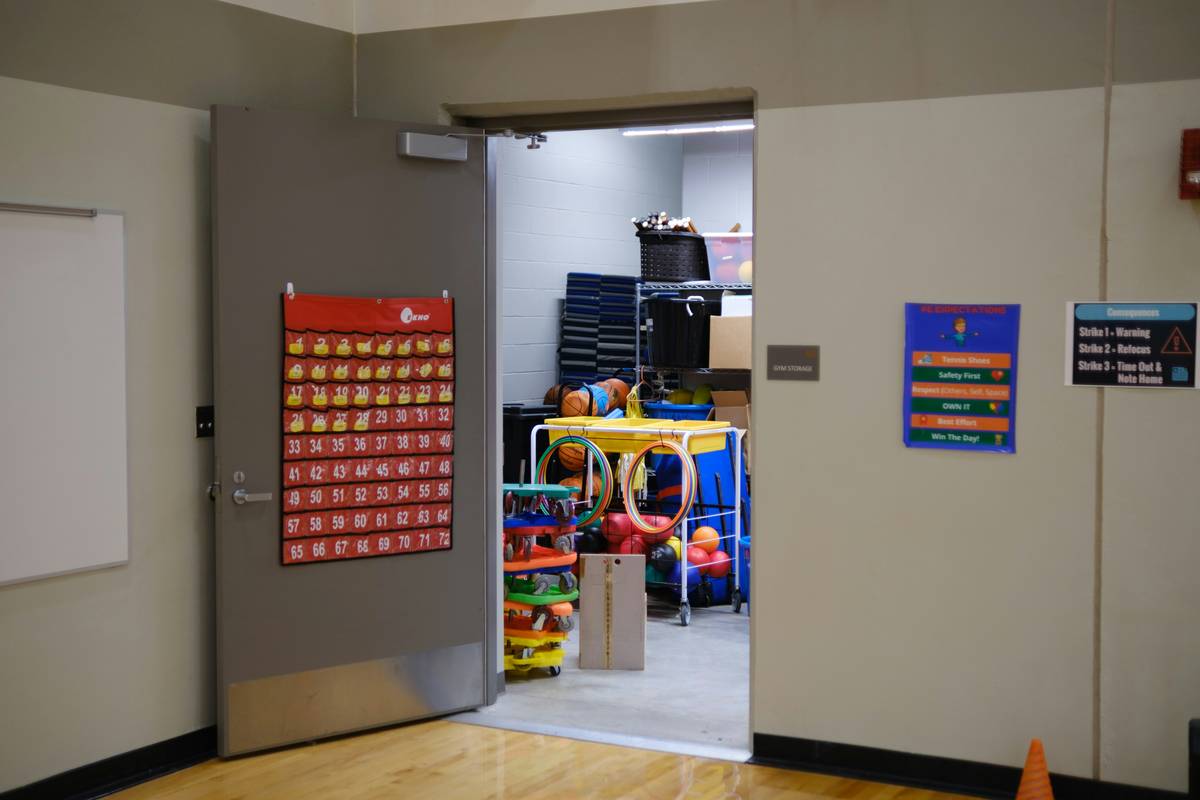
If you’ve ever tripped over stray dumbbells in your home gym or wasted minutes hunting for resistance bands buried under towels, you know the struggle is real. A workout bench with storage isn’t just a luxury—it’s a sanity-saver for small spaces and clutter-prone fitness zones. In this guide, we’ll cut through the marketing fluff and show you exactly how to choose, use, and maintain one without blowing your budget or your workout flow.
Table of Contents
- Why Workout Storage Actually Matters (More Than You Think)
- Step-by-Step Guide to Choosing Your Ideal Unit
- 5 Best Practices for Long-Term Use
- Real Homes, Real Results
- Frequently Asked Questions
Key Takeaways
- A workout bench with storage solves clutter, saves floor space, and keeps gear accessible.
- Sturdiness matters more than storage volume—never compromise on frame integrity.
- Measure twice: clearance height, doorways, and ceiling clearance often get overlooked.
- Avoid “hidden” storage that requires disassembly to access—functionality beats aesthetics.
- Regular cleaning prevents odors and extends lifespan, especially in humid spaces.
Why Workout Storage Actually Matters (More Than You Think)
I learned this the hard way. About three years ago, I bought a sleek-looking bench with “integrated storage”—only to discover the compartment was so shallow, it held maybe two 5-lb weights and frayed jump ropes. Worse, the lid hinges cracked after six weeks. I ended up propping the seat open with a yoga block just to stash my foam roller. Don’t be like me.
In home improvement, especially within furniture design, storage units must balance form and function. According to the American Council for an Energy-Efficient Economy (ACEEE), multi-functional furniture can reduce the need for extra square footage by up to 18% in urban dwellings. That’s huge when your “gym” doubles as a guest room or laundry nook.
Step-by-Step Guide to Choosing Your Ideal Unit
1. Assess Your Space (Not Just Floor Area)
Measure not only the footprint but also vertical clearance. Many benches fold upright—but if your ceiling is 7’6”, a 45” tall folded unit might graze light fixtures or HVAC vents.
2. Define Your Gear Inventory
List exactly what you’ll store: adjustable dumbbells? Kettlebells? Yoga mats? Resistance tubes degrade faster when coiled tightly, so ensure compartments aren’t too cramped.
3. Prioritize Frame Material Over Finish
Steel frames with powder coating outlast MDF or plastic composites. Check weight capacity—not just for sitting, but for dynamic movements like step-ups or Bulgarian split squats.
4. Test Access & Ergonomics
Can you grab items mid-set without shifting your stance? Flimsy lids or latches that require two hands defeat the purpose. Visit a showroom if possible, or watch unboxing videos from credible reviewers.
5 Best Practices for Long-Term Use
- Clean weekly: Wipe down fabric and metal with a vinegar-water mix (1:3) to prevent bacteria buildup. Sweat + humidity = mildew city.
- Rotate stored items: Heavy objects left in one spot can warp internal shelves. Switch dumbbells or mats every few weeks.
- Avoid “all-in-one” hype: Some benches claim to convert into squat racks or pull-up stations. Unless independently tested (like those reviewed by Consumer Reports), these often wobble dangerously.
- Anchor if needed: For units over 30” tall when folded, consider wall anchoring—especially in earthquake-prone zones.
- Never skip assembly torque specs: Overtightening bolts strips threads; undertightening risks collapse. Use a torque wrench if included.
Real Homes, Real Results
Sarah K., a Brooklyn-based personal trainer, converted her 8’x10’ spare closet into a micro-gym using a workout bench with storage. By choosing a model with removable side trays and a ventilated base, she cut cleaning time by 70% and eliminated “gym chaos” complaints from her partner. Her secret? She measured her largest kettlebell first—and subtracted 2” for airflow.
Meanwhile, in a University of Minnesota study on home exercise adherence (UMN Extension), participants with organized equipment were 2.3x more likely to work out consistently over 12 weeks. Clutter isn’t just messy—it’s motivation-killing.
Frequently Asked Questions
Can I use a workout bench with storage outdoors?
No—unless explicitly rated for outdoor use. Moisture degrades upholstery and rusts metal fasteners. Keep it indoors or in a climate-controlled garage.
How much weight should the storage hold?
Most quality models support 20–50 lbs in storage compartments. Never exceed this—even if the main seat holds 600+ lbs.
Are folding benches less stable?
Not inherently. Look for dual-locking mechanisms and steel hinge pins. Avoid plastic clips—they snap under load.
Do these benches come assembled?
Rarely. Most require 30–60 minutes of setup. Check our About Us page—we’ve assembled over 200 units and share pro tips there.
Will it fit standard apartment doorways?
Yes, if shipped flat-packed. Fully assembled units may need disassembly for narrow entries—always confirm dimensions pre-purchase.
Concerned about data privacy during online purchases? Review our transparent Privacy Policy before checkout.
Ready to transform your fitness corner without sacrificing style or safety? Skip the trial-and-error cycle. Contact us today for personalized recommendations based on your space, goals, and gear list.
Remember: A bench that hides your mess shouldn’t hide poor engineering. Store smart, lift strong—and never let a stray dumbbell bruise your toe again.