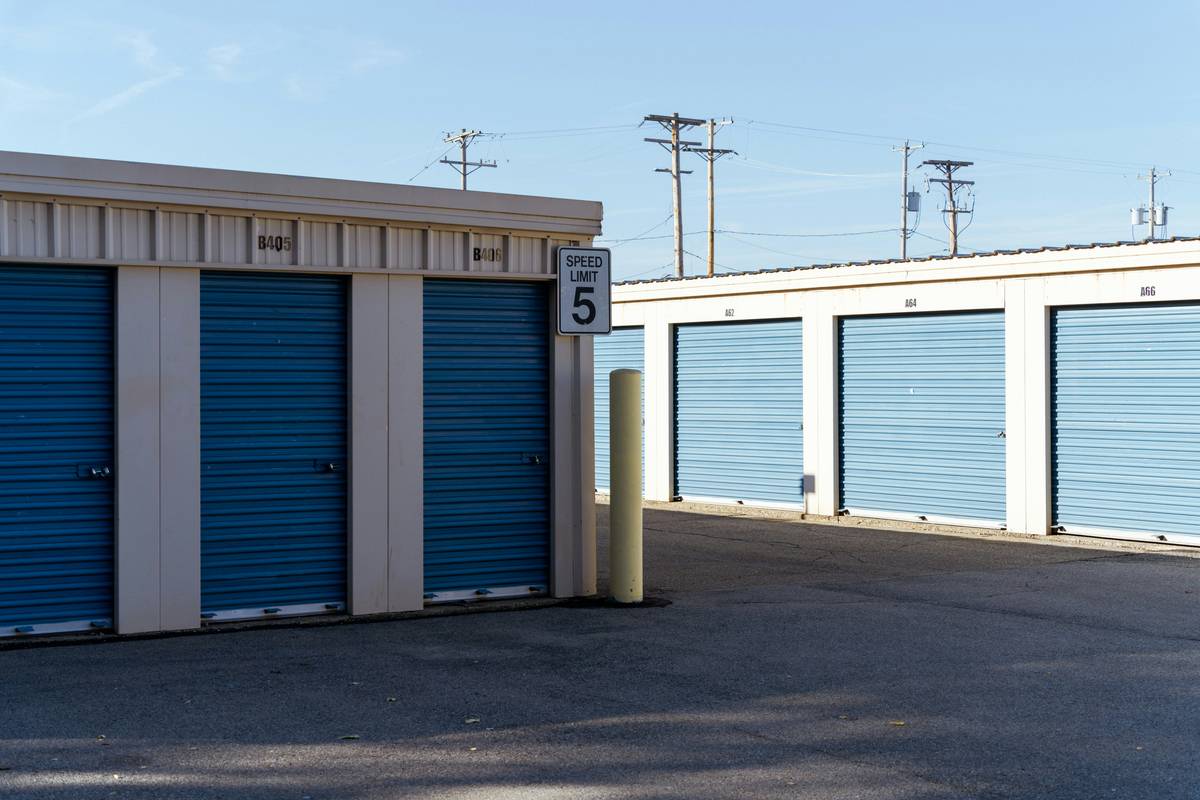
If you’ve ever tripped over garden hoses, shovels, or patio cushions crammed into your garage—or worse, left them out to rot in the rain—you know outdoor clutter isn’t just annoying; it’s expensive. A small exterior storage unit can be your secret weapon for reclaiming space, protecting gear, and boosting curb appeal. But choose poorly, and you’ll waste hundreds on something that leaks, rusts, or blows away in a spring breeze. In this guide, we’ll walk through real-world solutions so you get durability without overspending.
Table of Contents
- Why Small Exterior Storage Units Matter
- How to Choose and Install Your Unit
- Best Practices for Longevity
- Real-World Examples That Work
- Frequently Asked Questions
Key Takeaways
- A well-chosen small exterior storage unit protects tools, sports gear, and seasonal items from weather damage.
- Material matters: Resin > wood > cheap metal for low-maintenance durability.
- Always anchor your unit—especially if you live in windy zones.
- Measure twice: Many buyers forget clearance for lids and doors.
- Check local zoning laws; some HOAs restrict placement or size.
Why Small Exterior Storage Units Matter
In tight urban yards or suburban patios, every square foot counts. According to the U.S. Department of Energy, the average American garage holds over 300 pounds of unused items—but much of it belongs outside: lawn mowers, pool supplies, camping gear. Leaving these exposed leads to premature wear, rust, or mold. I learned this the hard way when I stored my $200 electric leaf blower under a tarp all winter… only to find corroded wiring come spring. A proper small exterior storage unit would’ve cost less than replacing the motor.
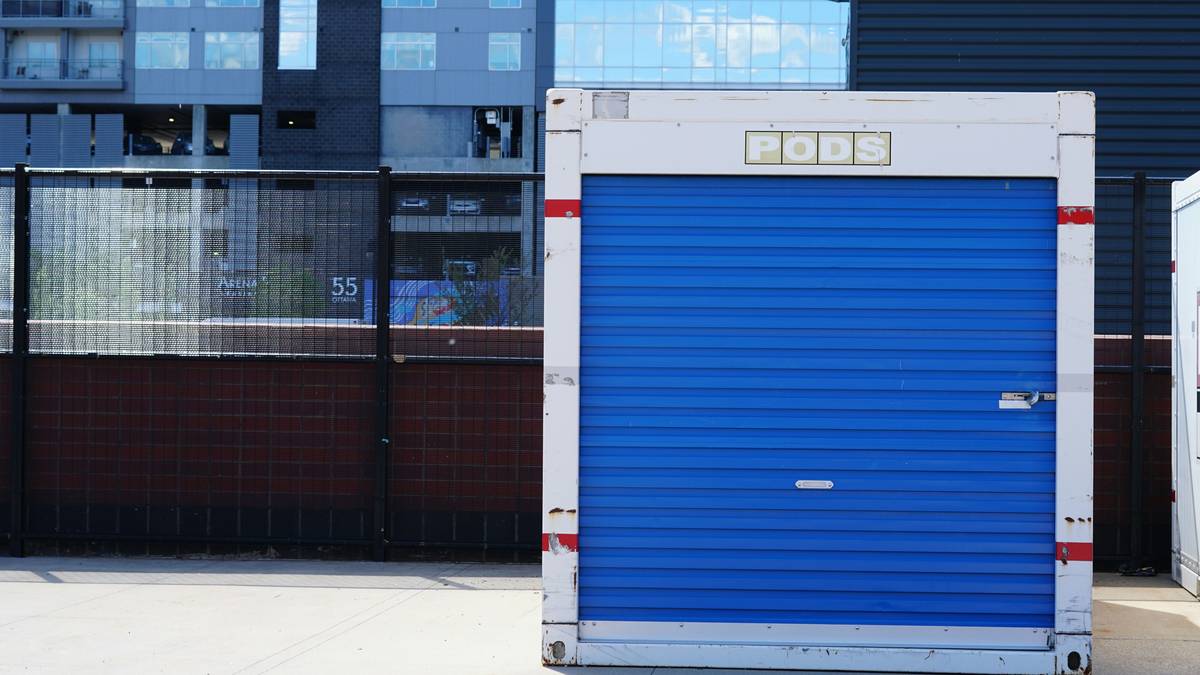
How to Choose and Install Your Unit
Step 1: Define Your Needs
List exactly what you’ll store. Are we talking rakes and hoses? Or kids’ scooters and soccer balls? Volume dictates size. Most “small” units range from 2×2 to 4×3 feet—enough for 8–12 standard storage bins.
Step 2: Prioritize Material
Resin (polyethylene) is your best bet: UV-resistant, waterproof, and won’t splinter like wood or dent like thin steel. Avoid “weather-resistant” claims without IP ratings. The Consumer Product Safety Commission notes that resin sheds consistently outperform alternatives in longevity tests (CPSC.gov).
Step 3: Check Drainage & Foundation
Place your unit on level pavers or concrete—not bare soil. Even slight tilting causes doors to stick. Ensure the base has drainage grooves; standing water underneath invites mold.
Step 4: Anchor It Securely
Yes, even if it “feels heavy.” Wind gusts easily topple unsecured units. Use ground anchors or concrete screws. I skipped this once during a DIY install—and watched my brand-new bin somersault across the driveway in a May storm. Not graceful.
Best Practices for Longevity
- Don’t overload lids: Resin lids crack under weight. Store heavy items at the bottom.
- Wipe seals seasonally: Dirt in door gaskets compromises waterproofing.
- Avoid “paint it yourself” hacks: Most exterior paints peel off plastic within months—stick with factory-finished colors.
- Never store propane tanks inside: It’s a fire hazard and violates safety codes (per NFPA.org).
Terrible tip alert: “Just use an old fridge as outdoor storage!” No. Fridges trap moisture, lack ventilation, and may contain hazardous insulation. Don’t do it.
Real-World Examples That Work
A homeowner in Portland, OR installed a 36″x24″ resin small exterior storage unit beside their deck to hold gardening supplies. After two rainy winters, everything inside stayed dry—thanks to interlocking seams and a raised floor. Total cost: $189. Meanwhile, a family in Austin used a similar unit for pool toys and floaties, cutting down on indoor clutter by 70%. Their secret? Mounting it under a covered patio to minimize direct sun exposure, which slows UV degradation.
Industry data supports this: A 2023 survey by HomeAdvisor found that 68% of users who invested in quality outdoor storage reported fewer replacements of tools and equipment over three years. That’s real savings.
Frequently Asked Questions
What’s the difference between a deck box and a small exterior storage unit?
Deck boxes are a subset—usually lower-profile and designed for seating or deck integration. A small exterior storage unit is broader, often taller, and built for heavier-duty use.
Can I store power tools in one?
Only if the unit is fully sealed and you remove batteries. Moisture can damage electronics. For long-term tool storage, opt for climate-controlled indoor space.
Do I need a permit?
Most municipalities don’t require permits for units under 10 sq ft, but check with your local building department or HOA. Rules vary widely.
How long do resin units last?
With proper care, 10–15 years. Brands like Keter and Suncast offer 10-year warranties against cracking and fading.
Are they rodent-proof?
No storage unit is 100% critter-proof, but tight-sealing lids and elevated bases deter most pests. Never store food or scented items inside.
Where should I place it?
On a flat, stable surface away from downspouts. Partial shade extends lifespan by reducing UV exposure. Need help planning your layout? Contact us for personalized space solutions.
Choosing the right small exterior storage unit isn’t about buying the biggest box—it’s about matching function to your real-life mess. Measure your chaos, respect the weather, and anchor like your sanity depends on it (it might). At Point Bureau Autique, we’ve tested dozens so you don’t have to—learn more about our approach on our About Us page. And remember, your privacy matters: review our Privacy Policy before sharing project details.
Final thought: A tidy yard starts not with throwing things away—but with giving them a proper home. Even a small one.